Diabetic Foot Wounds & Ulcers Treatment
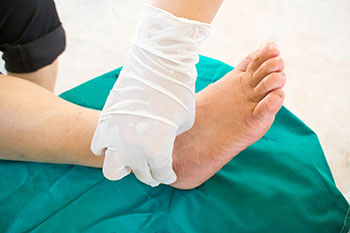
Wound care specialist in the Miami-Dade County, FL: Miami, Coral Gables, Coconut Grove, Little Havana, South Miami, Homestead, Miami Shores, North Miami, North Miami Beach, Aventura, Doral, Kendall, Pinecrest, Cutler Bay, Broward County, FL: Fort Lauderdale, Hollywood, Pembroke Pines, Miramar, Weston, Davie, Plantation, Lauderdale Lakes, Monroe County, FL: Key Largo, Islamorada, Marathon, Key West areasFor those with diabetes, early prevention and prompt treatment for wounds can be crucial to maintaining healthy feet. Unfortunately for those with diabetes, minor wounds have the ability to turn into serious ulcers if left uncared for. Simply walking in new or tight-fitting shoes can be enough to form a serious foot condition. Diabetes affects the nerves of the feet, sometimes leaving them with little or no feeling. If a wound therefore develops and isn’t felt, it may be hard for that person to recognize they need care.

Diabetic Wounds & Ulcers Prevention

To avoid ignoring wounds and to help prevent the development of serious foot conditions, it’s advised to check your feet daily for any abnormalities. It can also be beneficial to wear comfortable shoes with extra support. Avoiding high heels and other tight-fitting shoes may help in preventing certain foot complications. You should also be careful in how you trim your toenails. Avoid cutting at an angle and digging into the sides of skin surrounding the nail. Lastly, be sure to wash and dry your feet thoroughly to maintain proper hygiene for your feet.

Visit your Foot Doctor

For information on wound care and wound prevention, we recommend you speak with a podiatrist for professional care and advice.
Chad Steskal

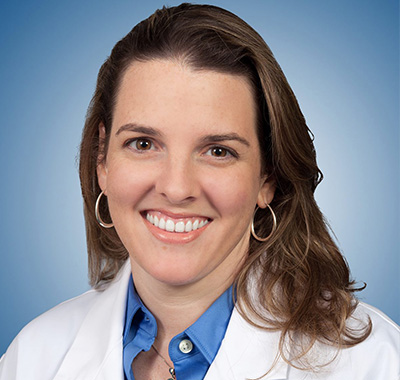
Care by Amy DeGirolamo, DPM

Dr. Amy DeGirolamo is a board-certified foot and ankle surgeon and certified wound specialist with over 21 years of clinical experience. She provides experienced podiatric care for patients with foot and ankle pain, injuries, skin and nail concerns, diabetic foot needs, wounds, and conditions that affect walking, comfort, and daily mobility. Her approach combines advanced medical knowledge, surgical training, and practical treatment planning to help patients feel better, move better, and live with less pain.

Conveniently located in Miami, FL, near Jackson Memorial Hospital and the University of Miami Health System, Florida Foot and Ankle Associates serves patients from Midtown Miami, Miami Beach, Downtown Miami, Brickell, Coral Gables, Key Biscayne, Coconut Grove, Wynwood, Allapattah, Doral, and surrounding Miami-Dade communities.

Wound Care (FAQs)

What are diabetic foot wounds?
Diabetic foot wounds are cuts, scrapes, or sores that occur on the feet of people who have diabetes. Although they may seem inconsequential, even small wounds are a cause for concern. This is because people with diabetes are less likely to feel the wound due to nerve damage in the feet, delaying treatment until the wound has progressed. Poor circulation to the feet can also make the wounds heal slowly, increasing the risk of infection. Left untreated, wounds can turn into diabetic foot ulcers (DFUs).
Why do diabetic wounds heal slowly?
Diabetic wounds tend to heal slowly because many people with diabetes also have poor circulation in their lower limbs. When there is inadequate blood flow to the feet and ankles, the nutrients needed for efficient, effective healing cannot get to the wounds quickly enough. When the wounds heal slowly and poorly, the chances of further damage to the surrounding skin and infection go up.
What should I do if I notice a diabetic foot wound?
If you are diabetic and notice a wound on your foot, you should seek the care of a podiatrist as soon as possible. The earlier treatment begins, the better your chances are of avoiding complications.
How are diabetic foot wounds treated?
Treatments for diabetic foot wounds vary depending on the location and severity of the wound. Generally, your podiatrist will focus on disinfecting the wound, removing any dead tissue, and creating an environment on the foot that is conducive to healing. You will likely need to keep any pressure off of the wound while it heals. This can be achieved through resting the affected foot, padding it, wearing orthotics, or using devices designed to off-load pressure.
How can I prevent diabetic foot wounds?
The best way to prevent diabetic foot wounds is to remain proactive. When walking inside or outside the home, wear shoes to protect your feet from injuries. Maintain proper foot hygiene to reduce the risk of infections. Since loss of sensation through diabetic neuropathy is also common among people with diabetes, daily visual inspection of the feet for any cuts, scrapes, sores, wounds, or discoloration is also suggested. If you notice any changes in your feet, you should schedule an appointment with a podiatrist as soon as possible.
Advanced Podiatric Procedures & Services in the Miami-Dade County, FL: Miami, Coral Gables, Coconut Grove, Little Havana, South Miami, Homestead, Miami Shores, North Miami, North Miami Beach, Aventura, Doral, Kendall, Pinecrest, Cutler Bay, Broward County, FL: Fort Lauderdale, Hollywood, Pembroke Pines, Miramar, Weston, Davie, Plantation, Lauderdale Lakes, Monroe County, FL: Key Largo, Islamorada, Marathon, Key West areas
Request Appointment