Constant care and regular evaluation are important for a foot or ankle fracture. If left untreated, foot or ankle fractures can worsen over time and create more serious problems.
Don't wait to be examined if you believe you've experienced a foot or ankle fracture.
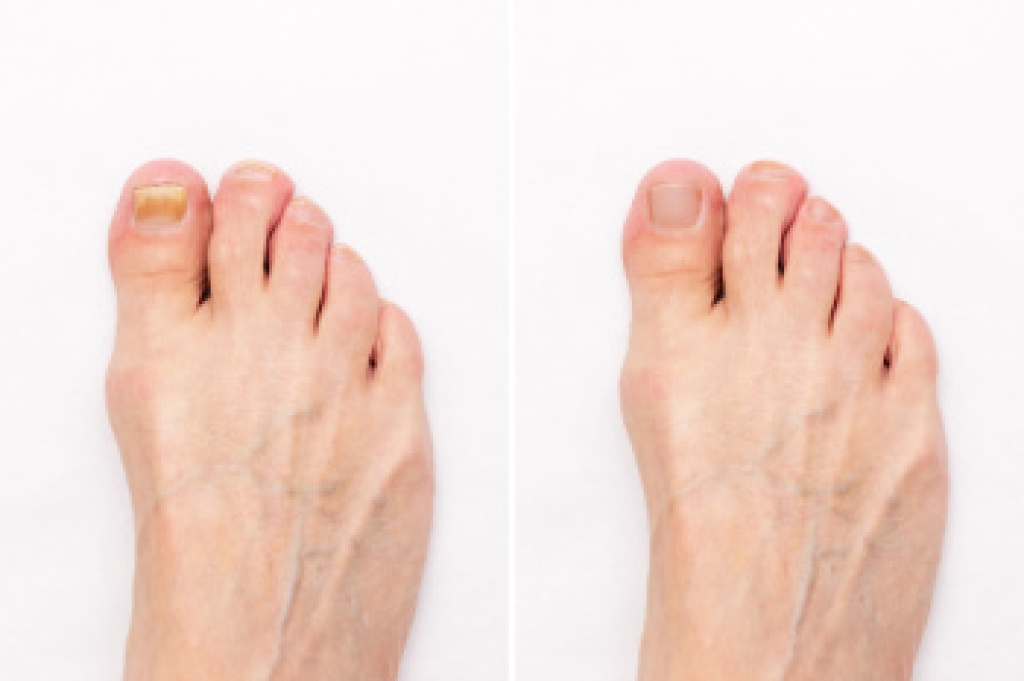
Toenail fungus, also called onychomycosis, often starts slowly, but can become stubborn, over time. Mild cases may respond to topical care, but thicker, discolored, or spreading infections often need a different approach. Oral treatment is sometimes recommended when multiple nails are involved, the nail is significantly thickened, or previous treatments have failed. These medications work from the inside out, reaching the nail through the bloodstream to target fungus beneath the nail plate. Because nails grow slowly, treatment usually continues for several months while healthy nails replace damaged nails. Oral therapy is not right for everyone and requires proper evaluation, including review of medical history and monitoring, when appropriate. Used correctly, it can improve nail appearance, comfort, and long-term results. If toenail fungus is persistent or worsening, it is suggested that you see a podiatrist to determine the most appropriate treatment plan.
Toenail fungus is a condition that affects many people and can be especially hard to get rid of. Fortunately, there are several methods to go about treating and avoiding it.
Antifungals & Deterrence
Oral antifungal medicine has been shown to be effective in many cases. It is important to consult with a podiatrist to determine the proper regiment for you, or potentially explore other options.
Applying foot powder on the feet and shoes helps keep the feet free of moisture and sweat.
Sandals or open toed shoes – Wearing these will allow air movement and help keep feet dry. They also expose your feet to light, which fungus cannot tolerate. Socks with moisture wicking material also help as well.
If you have any questions please contact our office located in Miami,FL. We offer the newest diagnostic and treatment technologies for all your foot and ankle needs.
Peripheral artery disease, or PAD, reduces blood flow to the lower limbs, limiting the oxygen and nutrients needed to keep skin healthy. In the feet and ankles, this often leads to dryness, thinning, and increased sensitivity. Skin may appear shiny, pale, or cool to the touch, and hair growth can diminish. Even minor cuts or pressure areas may heal slowly because circulation is impaired. Over time, poor blood supply increases the risk of skin breakdown, ulcers, and infection, especially when combined with reduced sensation. Color changes, cracking, or persistent redness should not be ignored, as they may signal worsening circulation. Wearing proper footwear, daily skin checks, and prompt care of small injuries are essential for protection. If changes in foot or ankle skin are noticed, it is suggested that you see a podiatrist for a proper diagnosis and appropriate treatment.
Peripheral artery disease can pose a serious risk to your health. It can increase the risk of stroke and heart attack. If you have symptoms of peripheral artery disease, consult with Amy DeGirolamo, DPM from Florida Foot and Ankle Associates. Our practitioner will assess your condition and provide you with quality foot and ankle treatment.
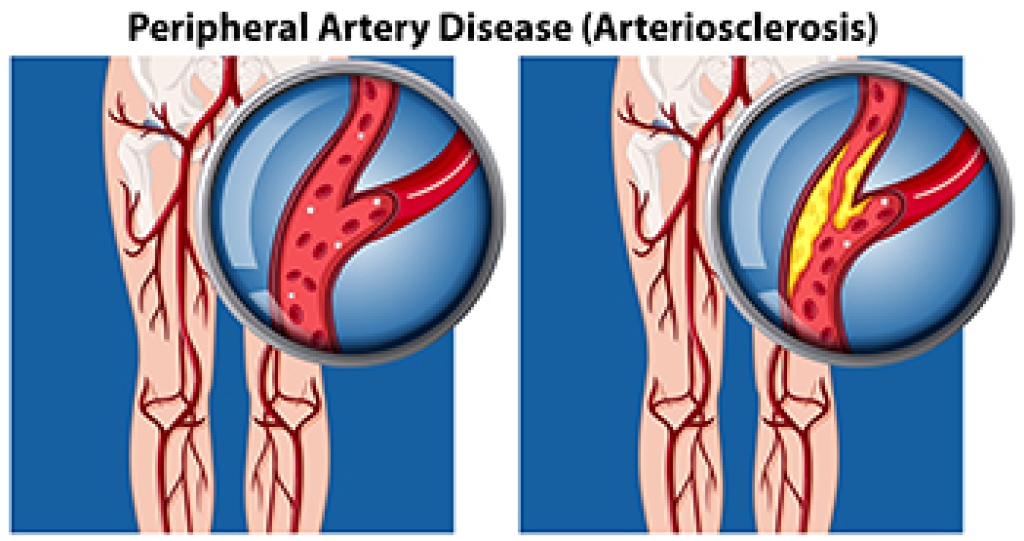
Peripheral artery disease (PAD) is when arteries are constricted due to plaque (fatty deposits) build-up. This results in less blood flow to the legs and other extremities. The main cause of PAD is atherosclerosis, in which plaque builds up in the arteries.
Symptoms
Symptoms of PAD include:
Claudication (leg pain from walking)
Numbness in legs
Decrease in growth of leg hair and toenails
Paleness of the skin
Erectile dysfunction
Sores and wounds on legs and feet that won’t heal
Coldness in one leg
It is important to note that a majority of individuals never show any symptoms of PAD.
Diagnosis
While PAD occurs in the legs and arteries, Podiatrists can diagnose PAD. Podiatrists utilize a test called an ankle-brachial index (ABI). An ABI test compares blood pressure in your arm to you ankle to see if any abnormality occurs. Ultrasound and imaging devices may also be used.
Treatment
Fortunately, lifestyle changes such as maintaining a healthy diet, exercising, managing cholesterol and blood sugar levels, and quitting smoking, can all treat PAD. Medications that prevent clots from occurring can be prescribed. Finally, in some cases, surgery may be recommended.
If you have any questions, please feel free to contact our office located in Miami,FL. We offer the newest diagnostic and treatment technologies for all your foot care needs.
Working in the restaurant industry often means long hours on hard floors, quick movements, and constant standing, all of which can lead to foot pain and injury. To avoid common foot problems, it is important to wear non-slip shoes that provide stability and reduce the risk of falls in fast-paced kitchen and dining environments. Proper arch support is equally important, as it helps distribute weight evenly, reduce strain, and prevent plantar fasciitis and heel pain. Maintaining good foot hygiene and replacing worn footwear also supports long-term comfort. If you have foot pain during your work day, it is suggested that you consult a podiatrist who can treat various foot and ankle conditions, and guide you on the correct shoes to wear.
While working on the feet, it is important to take the proper care of them. For more information about working on your feet, contact Amy DeGirolamo, DPM from Florida Foot and Ankle Associates. Our practitioner will treat your foot and ankle needs.
Working on Your Feet
Standing on your feet for long periods of time can cause stress and pain in your feet. Your whole body may experience change in terms of posture, back pain, bunions, callouses and or plantar warts. There are ways to avoid these conditions with proper foot care, smart choices and correct posture.
Positive Changes
Negative heeled shoe – Choosing this shoe type places the heel slightly lower than the ball of the foot. These are great for overall foot health. Find shoes that fit you correctly.
Go barefoot – Our feet were not designed to be enclosed for all hours of the day. Try to periodically expose your feet to air.
Eliminate Pain
Foot Exercises – Performing simple exercises, incorporating yoga and doing stretches are beneficial. This will allow increased blood flow to the area and muscles of the foot.
Achilles tendon – Stretching the foot out flat on the floor will relax the calf muscles and tendon. These exercises can be performed almost anywhere. Make sure you add these exercises to your daily regimen.
With a little bit of this information and knowing more about foot health, you will notice changes. Foot stretches and proper footwear will help with pain and prevent further issues.
If you have any questions please contact our office located in Miami,FL. We offer the newest diagnostic and treatment technologies for all your foot and ankle needs.
A serious stubbed toe can cause more than brief pain especially when the impact is forceful or awkward. Common causes include running into furniture, sports injuries, or falls. Symptoms may involve sharp pain, swelling, bruising, and difficulty moving the toe. The toe may look red, crooked, or enlarged and it can feel tender or unstable when walking. A podiatrist can help by starting with a careful examination and imaging such as X-rays to determine whether the injury is a sprain or a fracture. Early treatment may include protection taping or immobilization, followed by gradual return to activity. More severe injuries may require specialized care to ensure proper healing and alignment. Ignoring symptoms can delay recovery and increase long-term joint stiffness. If you have a serious stubbed toe that could be broken or sprained, it is suggested that you make an appointment with a podiatrist.
Toe pain can disrupt your daily activities. If you have any concerns, contact Amy DeGirolamo, DPM of Florida Foot and Ankle Associates. Our practitioner can provide the care you need to keep you pain-free and on your feet.
What Causes Toe Pain?
Most severe toe pain is caused due to a sports injury, trauma from dropping something heavy on the toe, or bumping into something rigid. Other problems can develop over time for various reasons.
Toe pain can be caused by one or more ailments. The most common include:
Trauma
Sports injury
Wearing shoes that are too tight
Arthritis
Gout
Corns and calluses
Hammertoe
Bunions
Blisters
Ingrown toenails
Sprains
Fractures (broken bones)
Dislocations
When to See a Podiatrist
Severe pain
Persistent pain that lasts more than a week
Signs of infection
Continued swelling
Pain that prevents walking
Diagnosis
In many cases the cause of toe pain is obvious, but in others, a podiatrist may want to use more advanced methods to determine the problem. These can range from simple visual inspections and sensation tests to X-rays and MRI scans. Prior medical history, family medical history, and any recent physical traumatic events will all be taken into consideration for a proper diagnosis.
Treatment
Treatments for toe pain and injuries vary and may include shoe inserts, padding, taping, medicines, injections, and in some cases, surgery. If you believe that you have broken a toe, please see a podiatrist as soon as possible.
If you have any questions please contact our office located in Miami,FL. We offer the newest diagnostic and treatment technologies for all your foot and ankle needs.