Why Your Feet Are Swollen

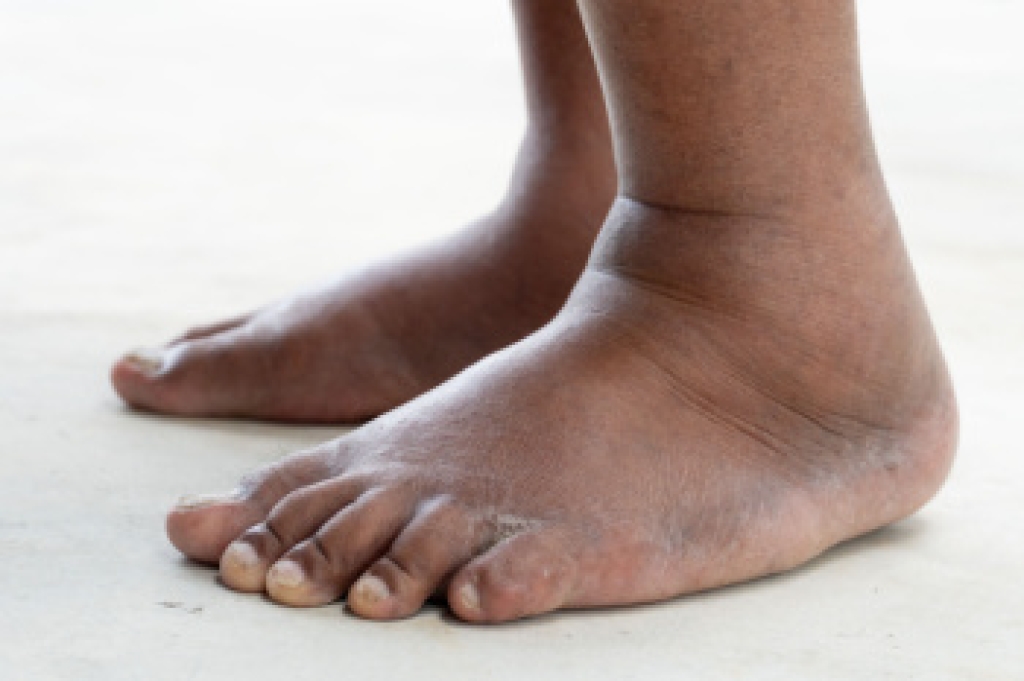
Swelling of the feet develops when excess fluid collects in the tissues, making the feet look larger and feel tight or uncomfortable. This condition can affect one foot or both feet, depending on the cause. Swelling sometimes follows an injury, but it can also result from standing or sitting for long periods, pregnancy, certain medicines, or medical conditions affecting circulation. Symptoms include puffiness, tight skin, aching, and difficulty fitting into shoes comfortably. Some people also notice stiffness or reduced movement in the feet and ankles. Persistent swelling deserves careful evaluation because it can signal an underlying problem that requires prompt attention. Identifying the cause is the first step toward choosing the most appropriate treatment. The pattern and timing of swelling also provide valuable clues about the underlying condition.

A podiatrist carefully evaluates the feet, ankles, walking pattern, and overall foot function to determine what is contributing to the swelling. The examination also checks for changes in skin condition, joint movement, and areas of tenderness. Treatment includes footwear recommendations, custom orthotics when appropriate, and care for conditions affecting the feet or ankles. A podiatrist can also identify whether swelling is related to abnormal foot mechanics or pressure. Improving foot function can reduce unnecessary stress on the joints and supporting tissues while walking. Regular evaluations help monitor changes in swelling and support healthier movement throughout daily activities.

Swelling of the feet should never be ignored when it develops suddenly, becomes severe, or occurs with pain, redness, or difficulty breathing because these symptoms can indicate a serious condition requiring immediate attention. Pregnancy, hot weather, and prolonged inactivity can also contribute to swelling, but persistent symptoms still deserve evaluation. Early podiatry care helps identify foot-related causes, improve comfort, and support better mobility. If you have symptoms of swelling of the feet, it is suggested that you schedule an appointment with a podiatrist for diagnosis and treatment.

Swollen feet can be a sign of an underlying condition. If you have any concerns, contact Amy DeGirolamo, DPM of Florida Foot and Ankle Associates. Our practitioner can provide the care you need to keep you pain-free and on your feet.

Swollen feet are a common ailment among pregnant women and people who stand or sit for extended periods. Aging may increase the possibility of swollen feet and patients who are obese often notice when their feet are swelling too. There may be medical reasons why swollen feet occur:

  • Phlebitis - A condition that causes the veins to become inflamed and can also cause leg pain.
  • Liver disease - This may lead to low blood levels of albumin which is a protein. This can cause fluid in the blood to pass into the tissues and several areas of the body can become swollen.
  • Heart failure - When the heart doesn’t pump properly the blood that is normally pumped back to the heart can pool in the veins of the legs causing swollen feet.
  • Kidney disease - One of the main functions of the kidneys is releasing excess fluid in the body. This type of condition can make it difficult for the kidneys to function properly, and as a result the feet may become swollen.
  • Deep-vein thrombosis (DVT)- This is a serious condition where blood clots form in the veins of the legs. They can block the return of blood from the legs to the heart which may cause the feet to swell. It is important to be treated by a podiatrist if this condition is present.

Swollen feet can also be caused by bone and tendon conditions, including fractures, arthritis, and tendinitis. Additionally, there may be skin and toenail conditions and an infection may cause the feet to swell. Patients who take medicine to treat high blood pressure may be prone to getting swollen feet. 

Many patients elevate their feet to help relieve the swelling and this is generally a temporary remedy. When a podiatrist is consulted the reason behind the swelling can be uncovered and subsequently treated.

If you have any questions please contact our office located in Miami,FL . We offer the newest diagnostic and treatment technologies for all your foot and ankle needs.

Read more about Swelling of the Feet

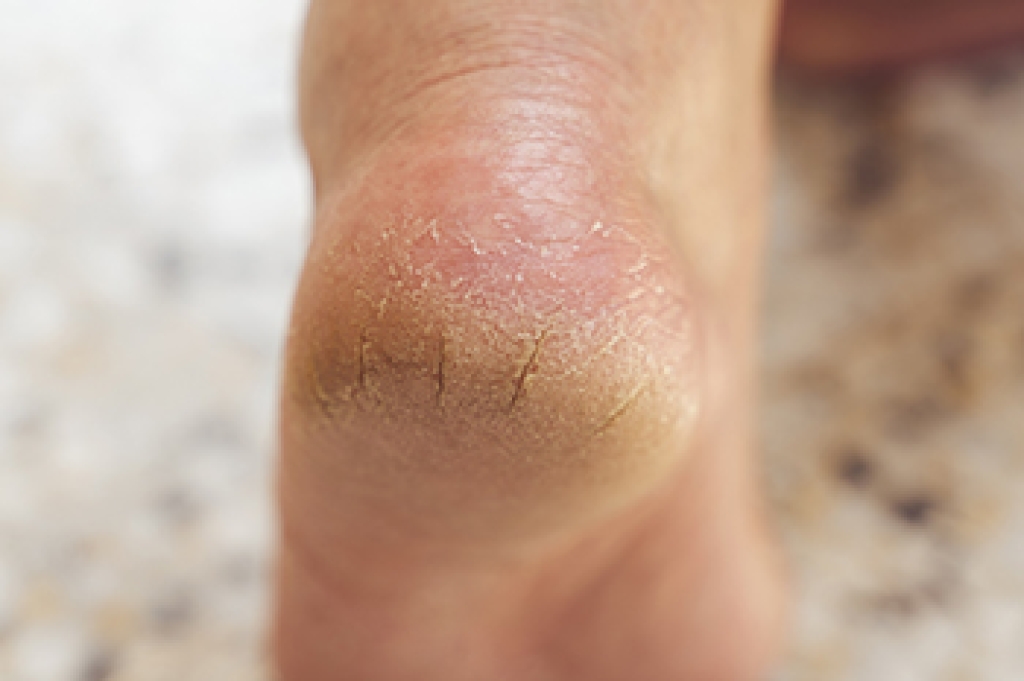
Cracked Heels Symptoms and Treatment

Cracked heels develop when the skin around the heel becomes dry, thick, and less flexible. Some cracks remain shallow, while others become deeper and make daily activities uncomfortable.  As pressure is placed on the heel during standing and walking, the skin may split, creating painful cracks known as fissures. Common symptoms of cracked heels include dry skin, rough patches, and heel pain. In more severe cases, the cracks may bleed or become irritated. People who spend long periods standing or have certain medical conditions may have a greater risk of developing cracked heels. Because untreated cracks can worsen, a professional evaluation is important to determine the severity of the condition and recommend appropriate treatment.


Cracked heels can affect more than comfort. Deep fissures may make walking painful and increase the risk of infection if the skin barrier is damaged. Ongoing heel pain may also change the way a person walks, placing extra stress on the ankles, knees, and hips. This altered movement can contribute to discomfort in other parts of the lower body. A thorough podiatry evaluation helps identify the underlying cause of cracked heels and determine whether additional foot conditions are contributing to the problem. Early diagnosis supports more effective treatment and helps prevent complications.


A podiatrist specializes in diagnosing and treating cracked heels while addressing the factors that contribute to the condition. Professional treatment focuses on reducing discomfort, improving skin health, and restoring normal foot function. A podiatrist also evaluates foot structure and walking mechanics to identify issues that may place excessive pressure on the heels. Early podiatry care can help prevent deeper cracks and reduce the risk of long-term complications. If cracked heels are causing pain or making it difficult to walk comfortably, it is suggested that you consult a podiatrist for an evaluation and appropriate treatment options.

Cracked heels are unsightly and can cause further damage to your shoes and feet. If you have any concerns, contact Amy DeGirolamo, DPM from Florida Foot and Ankle Associates. Our practitioner can provide the care you need to keep you pain-free and on your feet.

Cracked Heels

Cracked heels appear unappealing and can make it harder for you walk around in sandals. Aside from looking unpleasant, cracked heels can also tear stockings, socks, and wear out your shoes. There are several methods to help restore a cracked heel and prevent further damage.

How Do You Get Them?

Dry skin is the number one culprit in creating cracked heels. Many athletes, walkers, joggers, and even swimmers suffer from cracked heels. Age and skin oil production play a role to getting cracked heels as well.

Promote Healing

Over the counter medicines can help, especially for those that need instant relief or who suffer from chronic dry feet.

Wear Socks – Wearing socks with medicated creams helps lock in moisture.

Moisturizers – Applying both day and night will help alleviate dryness which causes cracking.

Pumice Stones – These exfoliate and remove dead skin, which allows for smoother moisturizer application and better absorption into the skin. 

Change in Diet

Eating healthy with a well-balanced diet will give the skin a fresh and radiant look. Your body responds to the kinds of food you ingest. Omega-3 fatty acids and zinc supplements can also revitalize skin tissue.

Most importantly, seek professional help if unsure how to proceed in treating cracked heels. A podiatrist will help you with any questions or information needed. 

If you have any questions, please feel free to contact our office located in Miami,FL . We offer the newest diagnostic and treatment technologies for all your foot care needs.

Read more about Solutions for Cracked Heels
Advanced Podiatric Procedures & Services in the Miami-Dade County, FL: Miami, Coral Gables, Coconut Grove, Little Havana, South Miami, Homestead, Miami Shores, North Miami, North Miami Beach, Aventura, Doral, Kendall, Pinecrest, Cutler Bay, Broward County, FL: Fort Lauderdale, Hollywood, Pembroke Pines, Miramar, Weston, Davie, Plantation, Lauderdale Lakes, Monroe County, FL: Key Largo, Islamorada, Marathon, Key West areas
Request Appointment