Caring for Feet Affected by Systemic Diseases

When treating foot problems in people with systemic conditions like diabetes or rheumatoid arthritis, a coordinated approach is essential. These health issues can quietly affect the feet, leading to complications such as poor circulation, nerve damage, joint deformities, or slow-healing wounds. Proper management often requires collaboration between podiatrists and other health care providers. In people with diabetes, monitoring for skin changes, numbness, and ulcers is critical, as unnoticed injuries can progress quickly. For those with rheumatoid arthritis, inflammation and joint damage can alter foot shape and function, increasing the risk of pain, instability, and skin problems. Regular foot exams, custom orthotics, and wearing appropriate footwear are often part of a long-term care plan. If you have diabetes or arthritis and are noticing changes in your feet, it is suggested you visit a podiatrist to prevent complications and protect your overall health.

When dealing with systemic disease of the feet, it is extremely important to check the affected areas routinely so that any additional problems are caught quickly.  If you have any concerns about your feet and ankles contact Amy DeGirolamo, DPM from Florida Foot and Ankle Associates. Our practitioner will assist you with all of your podiatric needs.

Systemic Diseases of the Feet

Systemic diseases affect the whole body, and symptoms usually are displayed in the feet. This condition can make a patient’s ability to walk unbearable.  Systemic diseases include gout, diabetes mellitus, neurological disorders, and arthritis.

Gout – is caused by an excess of uric acid in the body. Common symptoms include pain, inflammation, and redness at the metatarsal/phalangeal joint of the base big toe. Gout can be treated by NSAIDs to relieve pain and inflammation, and other drugs that lower the acid levels in the body.

Diabetes mellitus – is an increase in the level of blood sugar that the body cannot counteract with its own insulin. Failure to produce enough insulin is a factor in Diabetes.

Diabetes of the Feet

Diabetic Neuropathy – may lead to damaged nerves and affect the feet through numbness and loss of sensation.

Peripheral Vascular Disease – can restrict the blood flow to the feet, and often times lead to amputation of the feet. 

If you have any questions please contact our office located in Miami,FL . We offer the newest diagnostic and treatment technologies for all your foot and ankle needs.

Read more about Systemic Diseases of the Foot

Surgery for Ingrown Toenails

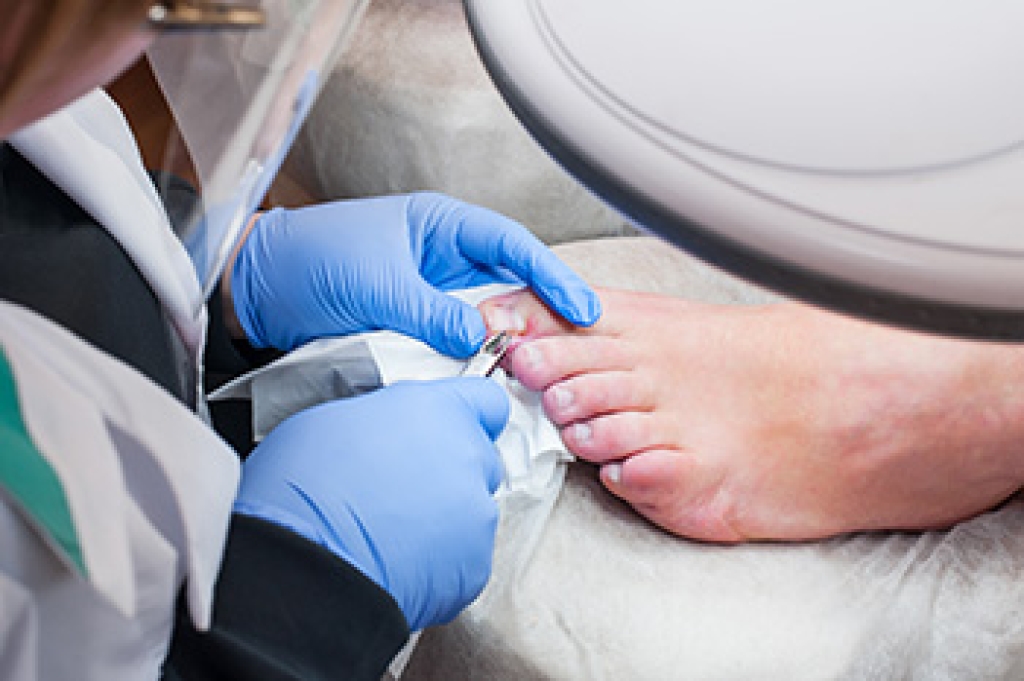
Surgery for ingrown toenails may be recommended when pain, swelling, or infection surrounding the nail does not improve or recurs frequently. An ingrown toenail develops when the edge of the nail grows into the surrounding skin, most often affecting the big toe. Causes include improper nail trimming, toe injuries, or pressure from wearing tight shoes. When conservative care fails or the condition is worsened by diabetes or circulation problems, a podiatrist may suggest surgery to remove part or all of the ingrown toenail. After numbing the toe, the ingrown section is trimmed away, and, in some cases, the nail matrix is treated with a chemical or heated device to prevent regrowth. This helps relieve pressure and reduces the chance of the nail growing inward again. Although regrowth can take months, the procedure is generally effective. If you have a problematic ingrown toenail, it is suggested that you schedule an appointment with a podiatrist for an exam and appropriate treatment plan.

Foot surgery is sometimes necessary to treat a foot ailment. To learn more, contact Amy DeGirolamo, DPM of Florida Foot and Ankle Associates. Our practitioner will assist you with all of your foot and ankle needs.

When Is Surgery Necessary?

Foot and ankle surgery is generally reserved for cases in which less invasive, conservative procedures have failed to alleviate the problem. Some of the cases in which surgery may be necessary include:

  • Removing foot deformities like bunions and bone spurs
  • Severe arthritis that has caused bone issues
  • Cosmetic reconstruction

What Types of Surgery Are There?

The type of surgery you receive will depend on the nature of the problem you have. Some of the possible surgeries include:

  • Bunionectomy for painful bunions
  • Surgical fusion for realignment of bones
  • Neuropathy decompression surgery to treat nerve damage

Benefits of Surgery

Although surgery is usually a last resort, it can provide more complete pain relief compared to non-surgical methods and may allow you to finally resume full activity.

Surgical techniques have also become increasingly sophisticated. Techniques like endoscopic surgery allow for smaller incisions and faster recovery times.

If you have any questions, please feel free to contact our office located in Miami,FL . We offer the newest diagnostic and treatment technologies for all your foot care needs.

Read more about Foot Surgery

Causes and Symptoms of an Achilles Tendon Tear

An Achilles tendon tear occurs when the thick cord that connects the calf muscles to the heel is overstretched and either partially or fully rips. Achilles tendon tears can be caused by sudden movements, such as pushing off the foot quickly, changing direction while running, or tripping while walking. Sports like tennis and basketball, which involve fast stops and turns, are also common causes. While people between the ages of 30 and 50 are especially at risk, this injury can affect younger athletes as well. Symptoms include a sharp pain in the lower leg or ankle, a snapping sound at the time of injury, difficulty walking, and weakness when trying to lift the heel. There may be bruising or swelling near the back of the ankle. A podiatrist can examine the tendon, confirm if it is torn, and recommend treatment. Depending on how severe the tear is, surgery may be needed. If you have injured your Achilles tendon, it is suggested that you schedule an appointment with a podiatrist for an exam and appropriate treatment options.

Achilles tendon injuries need immediate attention to avoid future complications. If you have any concerns, contact Amy DeGirolamo, DPM of Florida Foot and Ankle Associates. Our practitioner can provide the care you need to keep you pain-free and on your feet.

What Is the Achilles Tendon?

The Achilles tendon is a tendon that connects the lower leg muscles and calf to the heel of the foot. It is the strongest tendon in the human body and is essential for making movement possible. Because this tendon is such an integral part of the body, any injuries to it can create immense difficulties and should immediately be presented to a doctor.

What Are the Symptoms of an Achilles Tendon Injury?

There are various types of injuries that can affect the Achilles tendon. The two most common injuries are Achilles tendinitis and ruptures of the tendon.

Achilles Tendinitis Symptoms

  • Inflammation
  • Dull to severe pain
  • Increased blood flow to the tendon
  • Thickening of the tendon

Rupture Symptoms

  • Extreme pain and swelling in the foot
  • Total immobility

Treatment and Prevention

Achilles tendon injuries are diagnosed by a thorough physical evaluation, which can include an MRI. Treatment involves rest, physical therapy, and in some cases, surgery. However, various preventative measures can be taken to avoid these injuries, such as:

  • Thorough stretching of the tendon before and after exercise
  • Strengthening exercises like calf raises, squats, leg curls, leg extensions, leg raises, lunges, and leg presses

If you have any questions please feel free to contact our office located in Miami,FL . We offer the newest diagnostic tools and technology to treat your foot and ankle needs.

Read more about What are Achilles Tendon Injuries

Get Proper Treatment for Ankle Injuries

If you're experiencing ankle pain, you may be suffering from an ankle injury. Sprains, fractures, Achilles tendonitis, and Achilles tendon ruptures are just some examples of potential ankle injuries. Don't wait for care for an ankle injury, as it may worsen over time. We can help!

Understanding Flat Feet

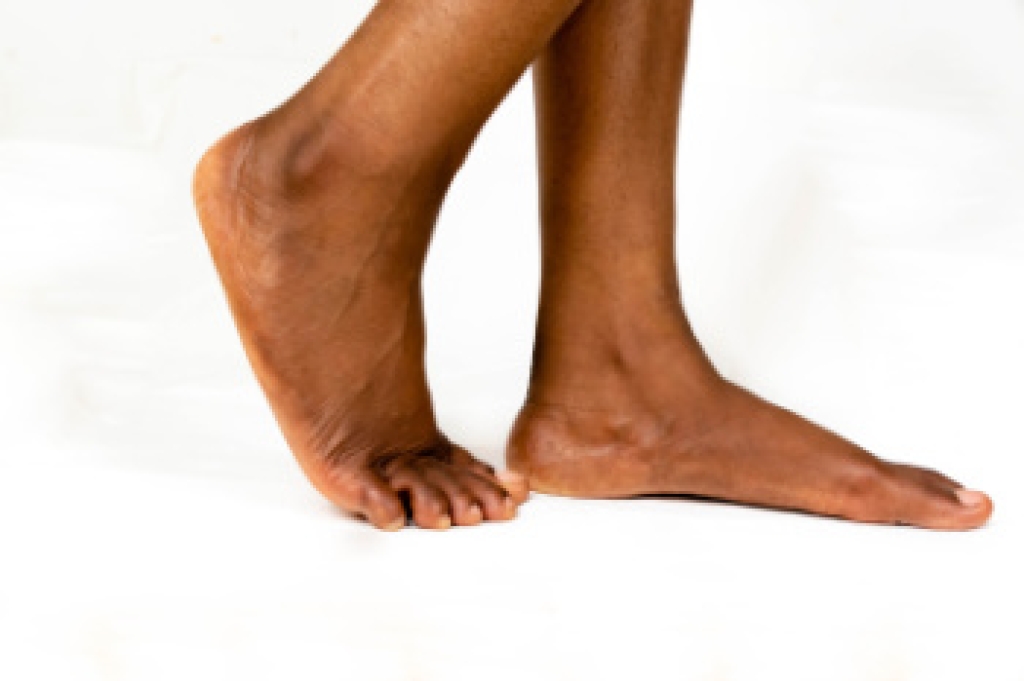
Flat feet, also known as fallen arches, occur when the arches of the feet collapse, causing the entire sole to make contact with the ground. This condition can appear from birth or develop over time due to aging, injury, obesity, or medical conditions such as arthritis. Symptoms may include foot pain, swelling, fatigue, or discomfort in the ankles, knees, or lower back. Some people with flat feet may experience difficulty standing for long periods or walking without strain. A podiatrist can evaluate the structure and function of the feet, provide customized orthotics for support, recommend strengthening exercises, and address related complications. If you were born with flat feet, it is suggested that you are under the care of a podiatrist who can address existing foot discomfort and help you manage your foot health.

Flatfoot is a condition many people suffer from. If you have flat feet, contact Amy DeGirolamo, DPM from Florida Foot and Ankle Associates. Our practitioner will treat your foot and ankle needs.

What Are Flat Feet?

Flatfoot is a condition in which the arch of the foot is depressed and the sole of the foot is almost completely in contact with the ground. About 20-30% of the population generally has flat feet because their arches never formed during growth.

Conditions & Problems:

Having flat feet makes it difficult to run or walk because of the stress placed on the ankles.

Alignment – The general alignment of your legs can be disrupted, because the ankles move inward which can cause major discomfort.

Knees – If you have complications with your knees, flat feet can be a contributor to arthritis in that area.  

Symptoms

  • Pain around the heel or arch area
  • Trouble standing on the tip toe
  • Swelling around the inside of the ankle
  • Flat look to one or both feet
  • Having your shoes feel uneven when worn

Treatment

If you are experiencing pain and stress on the foot you may weaken the posterior tibial tendon, which runs around the inside of the ankle. 

If you have any questions, please feel free to contact our office located in Miami,FL . We offer the newest diagnostic and treatment technologies for all your foot care needs.

Read more about Flatfoot
scroll to top