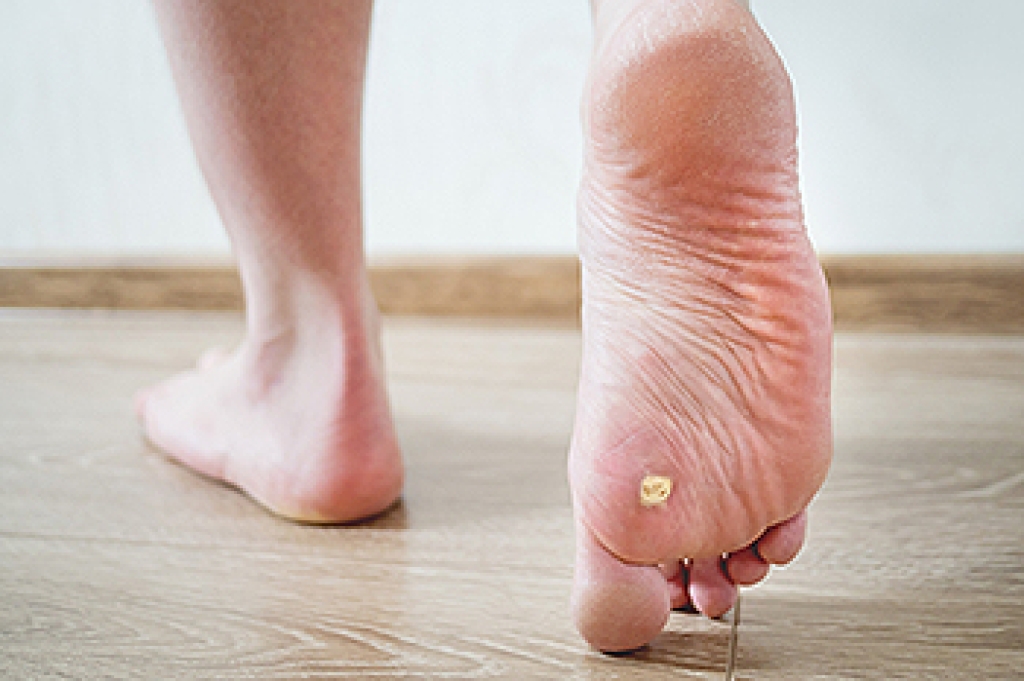
Understanding Plantar Wart Development

Plantar warts are caused by the human papillomavirus, or HPV, which enters the skin through tiny cuts or abrasions. These warts develop on the bottom of the foot, often in weight-bearing areas, such as the heel or ball of the foot. Unlike warts on other parts of the body, plantar warts grow inward due to pressure from walking and standing. This inward growth can make them painful and difficult to ignore. Understanding the cause and early signs of plantar warts is essential for preventing spread and seeking timely treatment.

Symptoms of plantar warts vary depending on their size and location. Many people notice a rough, grainy lesion on the sole of the foot. Some contain small black dots that are clotted blood vessels. Pain may feel like stepping on a small stone, especially while walking or applying pressure. The skin surrounding the wart can become thickened or callus-like. Some warts remain small and isolated, while others may multiply and spread across the foot, if left untreated.


There are two primary types of plantar warts: solitary and mosaic. A solitary wart appears as a single, well-defined lesion that may grow deeper into the skin over time. It often becomes more painful as it enlarges. Mosaic warts, on the other hand, develop as clusters of smaller warts grouped together in a patch. These are usually more superficial but can cover a larger area, making them more difficult to treat. Both types are caused by the same virus but differ in appearance and growth pattern, which can influence treatment decisions.


Risk factors for plantar warts include walking barefoot in public swimming pool areas, locker rooms, and communal showers. This is because the virus thrives in warm, moist environments. Individuals with a weakened immune system are more susceptible to infection and may experience more persistent or widespread warts. Minor skin injuries also increase the risk by providing entry points for the virus. Maintaining proper foot hygiene and wearing protective footwear can reduce exposure. If you have symptoms of a plantar wart, it is strongly suggested that you consult a podiatrist for effective relief and treatment solutions.

Plantar warts can be very uncomfortable. If you need your feet checked, contact Amy DeGirolamo, DPM from Florida Foot and Ankle Associates. Our practitioner will assist you with all of your foot and ankle needs.

About Plantar Warts

Plantar warts are the result of HPV, or human papillomavirus, getting into open wounds on the feet. They are mostly found on the heels or balls of the feet.

While plantar warts are generally harmless, those experiencing excessive pain or those suffering from diabetes or a compromised immune system require immediate medical care. Plantar warts are easily diagnosed, usually through scraping off a bit of rough skin or by getting a biopsy.

Symptoms

  • Lesions on the bottom of your feet, usually rough and grainy
  • Hard or thick callused spots
  • Wart seeds, which are small clotted blood vessels that look like little black spots
  • Pain, discomfort, or tenderness of your feet when walking or standing

Treatment

  • Freezing
  • Electric tool removal
  • Laser Treatment
  • Topical Creams (prescription only)
  • Over-the-counter medications

To help prevent developing plantar warts, avoid walking barefoot over abrasive surfaces that can cause cuts or wounds for HPV to get into. Avoiding direct contact with other warts, as well as not picking or rubbing existing warts, can help prevent the further spread of plantar warts. However, if you think you have developed plantar warts, speak to your podiatrist. He or she can diagnose the warts on your feet and recommend the appropriate treatment options.

If you have any questions, please feel free to contact our office located in Miami,FL . We offer the newest diagnostic and treatment technologies for all your foot care needs.

Read more about Plantar Warts

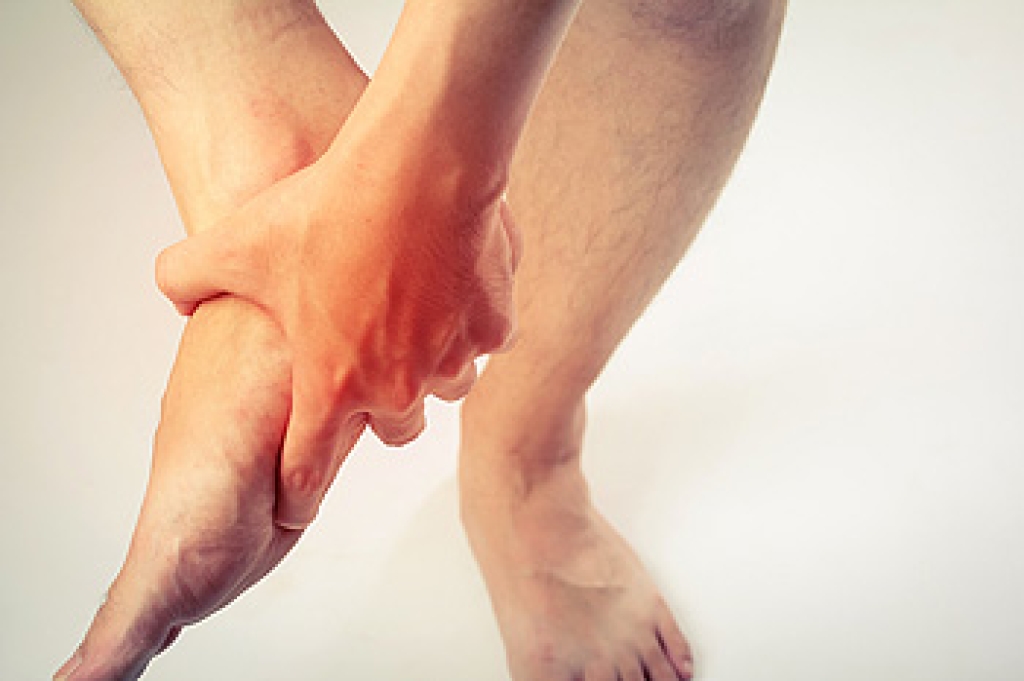
Heel Pain in the Morning?

Heel pain can negatively affect your day-to-day life. Simple activities like walking can become incredibly uncomfortable or painful due to heel pain.

Don’t live with heel pain and get treated.

When Heel Pain Has a Hidden Cause

Chronic heel pain is often linked to plantar fasciitis, often caused by irritation and inflammation of the thick band of tissue that supports the arch and connects the heel to the toes. However, in some cases, the source of discomfort may involve nearby muscles and nerves rather than the plantar fascia alone. Tightness in the calf, especially deeper muscles in the lower leg, can place added pressure on structures that travel toward the foot. This may lead to ongoing heel pain, tenderness, burning, or discomfort that does not improve with standard treatments such as stretching, shoe changes, or activity modification. Careful evaluation can help determine whether nerve irritation or muscle-related tension is contributing to symptoms. Treatment options may vary based on the cause and can include targeted therapies aimed at relieving pressure and reducing pain. Identifying the true source of heel discomfort is important when symptoms continue despite conservative care. If your heel pain has become persistent or has not improved with initial treatment, it is suggested that you visit a podiatrist for a thorough evaluation.

Many people suffer from bouts of heel pain. For more information, contact Amy DeGirolamo, DPM of Florida Foot and Ankle Associates. Our practitioner can provide the care you need to keep you pain-free and on your feet.

Causes of Heel Pain

Heel pain is often associated with plantar fasciitis. The plantar fascia is a band of tissues that extends along the bottom of the foot. A rip or tear in this ligament can cause inflammation of the tissue.

Achilles tendonitis is another cause of heel pain. Inflammation of the Achilles tendon will cause pain from fractures and muscle tearing. Lack of flexibility is also another symptom.

Heel spurs are another cause of pain. When the tissues of the plantar fascia undergo a great deal of stress, it can lead to ligament separation from the heel bone, causing heel spurs.

Why Might Heel Pain Occur?

  • Wearing ill-fitting shoes                
  • Wearing non-supportive shoes
  • Weight change           
  • Excessive running

Treatments

Heel pain should be treated as soon as possible for immediate results. Keeping your feet in a stress-free environment will help. If you suffer from Achilles tendonitis or plantar fasciitis, applying ice will reduce the swelling. Stretching before an exercise like running will help the muscles. Using all these tips will help make heel pain a condition of the past.

If you have any questions, please feel free to contact our office located in Miami,FL . We offer the newest diagnostic and treatment technologies for all your foot care needs.
Read more about Heel Pain

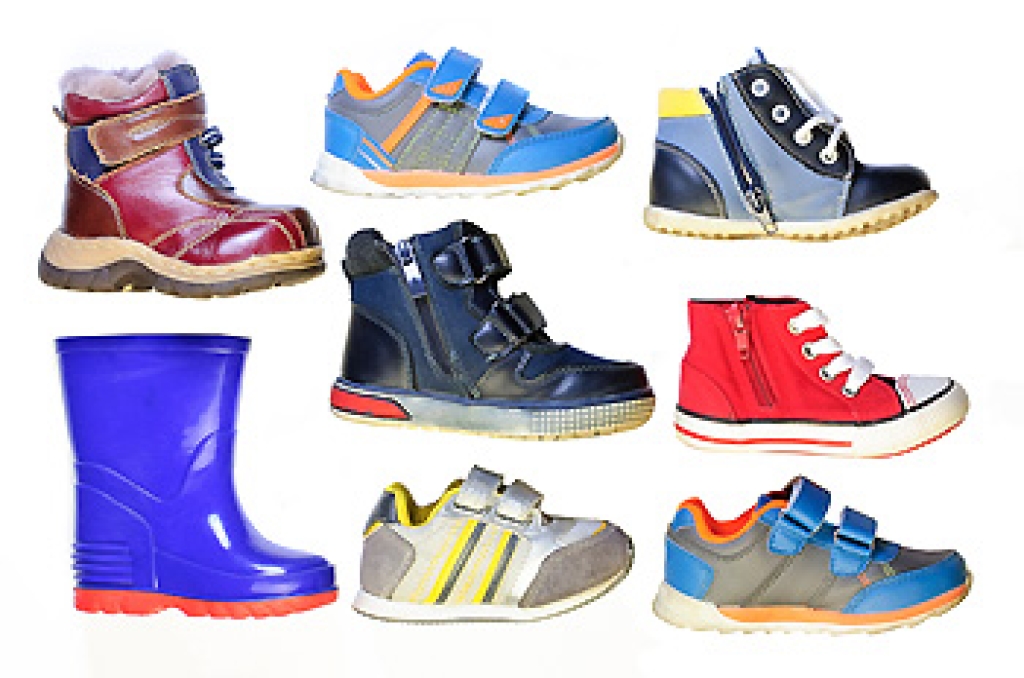
Choosing Shoes for Growing Feet

Babies do not always need shoes right away, but once they begin standing and walking, proper footwear becomes important for healthy development. Early shoes should be lightweight with flexible soles that allow natural movement. A correct fit is essential, as tight shoes can restrict growth and lead to discomfort or changes in foot shape. Non-skid soles help provide stability as babies learn balance and coordination. When shoes are too stiff or poorly fitted, they may interfere with normal walking patterns and cause strain on small joints. Parents may notice redness, fussiness, or uneven steps if there is a problem. A podiatrist can assess foot development, ensure proper fit, and recommend appropriate shoe types for each stage. If your child has foot pain, it is suggested that you consult a podiatrist who can offer effective treatment tips and guide you on what type of shoes to purchase.

The health of a child’s feet is vital to their overall well-being. If you have any questions regarding foot health, contact Amy DeGirolamo, DPM of Florida Foot and Ankle Associates. Our practitioner can provide the care you need to keep you pain-free and on your feet.

Tips for Keeping Children's Feet Healthy

  • Make sure their shoes fit properly
  • Look for any signs of in-toeing or out-toeing
  • Check to see if they have Clubfoot (condition that affects your child’s foot and ankle, twisting the heel and toes inward) which is one of the most common nonmajor birth defects.
  • Lightly cover your baby’s feet (Tight covers may keep your baby from moving their feet freely, and could prevent normal development)
  • Allow your toddler to go shoeless (Shoes can be restricting for a young child’s foot)
  • Cut toenails straight across to avoid ingrown toenails
  • Keep your child’s foot clean and dry
  • Cover cuts and scrapes. Wash any scratches with soap and water and cover them with a bandage until they’ve healed.

If you have any questions, please feel free to contact our office located in Miami,FL . We offer the newest diagnostic and treatment technologies for all your foot care needs.
Read more about How to Care for Your Child's Feet

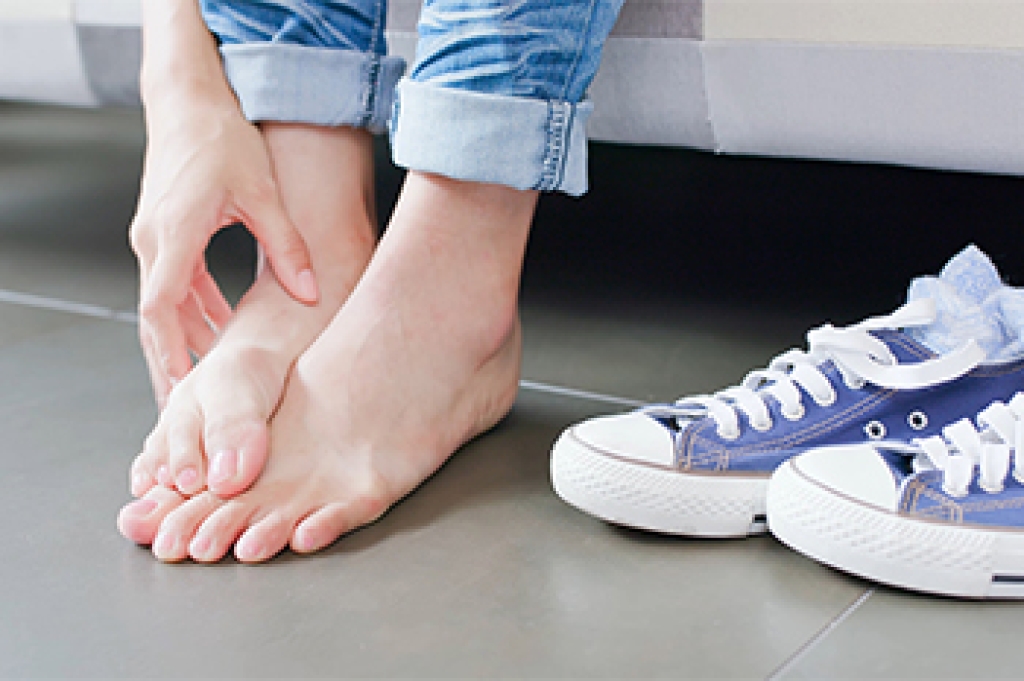
How Athlete's Foot Spreads

Athlete's foot is a fungal infection that affects the skin of the feet and commonly develops in warm, moist environments. The condition often begins between the toes, but may spread to the soles or sides of the feet. Symptoms include itching, burning, and peeling skin. An uncomfortable rash that may sting or become painful may also occur. In some cases, small blisters or dry flaky patches may appear. Athlete's foot can spread through direct contact with contaminated surfaces, such as locker room floors, public showers, and swimming pools. Shared footwear and towels, sweaty feet, and tight shoes also may create conditions that allow the fungus to thrive. A podiatrist can diagnose the infection by examining the skin and determining whether additional testing is needed. Treatment may include antifungal creams, oral medications for persistent infections, and guidance on keeping the feet clean and dry. Proper footwear and hygiene habits can help reduce the risk of recurrence. If you have athlete's foot, it is suggested that you schedule an appointment with a podiatrist for effective treatment solutions.

Athlete’s Foot

Athlete’s foot is often an uncomfortable condition to experience. Thankfully, podiatrists specialize in treating athlete’s foot and offer the best treatment options. If you have any questions about athlete’s foot, consult with Amy DeGirolamo, DPM from Florida Foot and Ankle Associates. Our practitioner will assess your condition and provide you with quality treatment.

What Is Athlete’s Foot?

Tinea pedis, more commonly known as athlete’s foot, is a non-serious and common fungal infection of the foot. Athlete’s foot is contagious and can be contracted by touching someone who has it or infected surfaces. The most common places contaminated by it are public showers, locker rooms, and swimming pools. Once contracted, it grows on feet that are left inside moist, dark, and warm shoes and socks.

Prevention

The most effective ways to prevent athlete’s foot include:

  • Thoroughly washing and drying feet
  • Avoid going barefoot in locker rooms and public showers
  • Using shower shoes in public showers
  • Wearing socks that allow the feet to breathe
  • Changing socks and shoes frequently if you sweat a lot

Symptoms

Athlete’s foot initially occurs as a rash between the toes. However, if left undiagnosed, it can spread to the sides and bottom of the feet, toenails, and if touched by hand, the hands themselves. Symptoms include:

  • Redness
  • Burning
  • Itching
  • Scaly and peeling skin

Diagnosis and Treatment

Diagnosis is quick and easy. Skin samples will be taken and either viewed under a microscope or sent to a lab for testing. Sometimes, a podiatrist can diagnose it based on simply looking at it. Once confirmed, treatment options include oral and topical antifungal medications.

If you have any questions, please feel free to contact our office located in Miami,FL . We offer the newest diagnostic and treatment technologies for all your foot care needs.

Read more about How to Deal with Athlete's Foot
Advanced Podiatric Procedures & Services in the Miami-Dade County, FL: Miami, Coral Gables, Coconut Grove, Little Havana, South Miami, Homestead, Miami Shores, North Miami, North Miami Beach, Aventura, Doral, Kendall, Pinecrest, Cutler Bay, Broward County, FL: Fort Lauderdale, Hollywood, Pembroke Pines, Miramar, Weston, Davie, Plantation, Lauderdale Lakes, Monroe County, FL: Key Largo, Islamorada, Marathon, Key West areas
Request Appointment