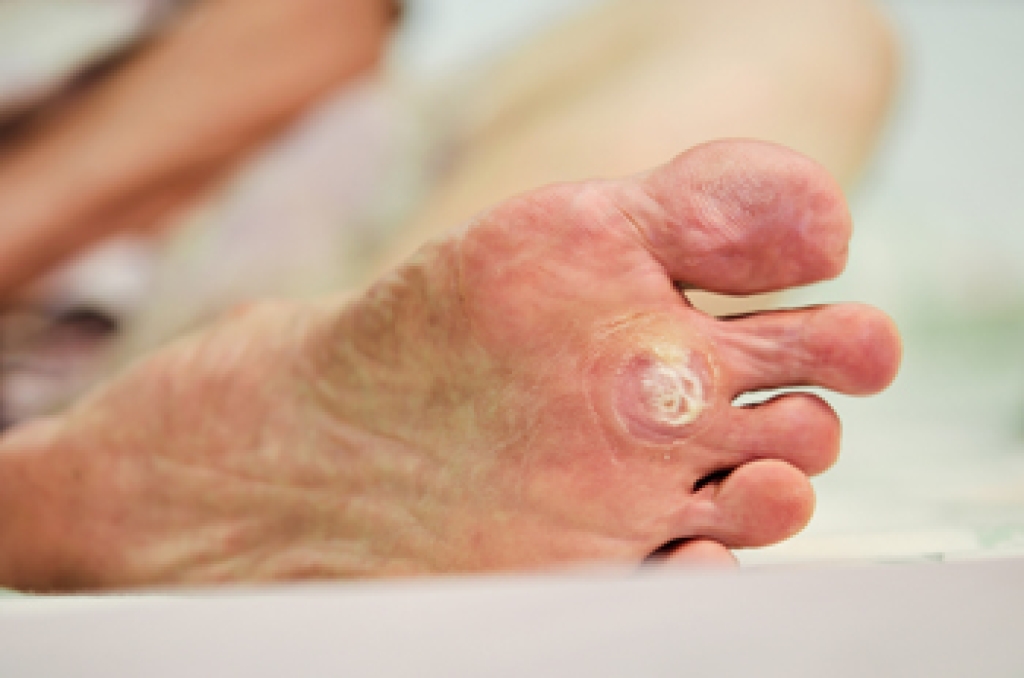
Understanding Plantar Warts and Treatment Options

Plantar warts are small, rough growths that develop on the soles of the feet due to the human papillomavirus, often entering through tiny cuts in the skin. They may appear as thickened areas with black pinpoint dots, and can cause discomfort or pain while walking or standing. These warts are contagious and can spread in warm, moist environments such as locker rooms or around pools. Treatment depends on severity and persistence. Options include over-the-counter salicylic acid, cryotherapy to freeze the wart, or in-office procedures to remove the affected tissue. In some cases, multiple treatments are needed for full resolution. Avoiding barefoot exposure in public areas and keeping feet clean and dry can help prevent recurrence. If a plantar wart becomes painful or does not improve with treatment, it is suggested that you see a podiatrist for proper care.

Plantar warts can be very uncomfortable. If you need your feet checked, contact Amy DeGirolamo, DPM from Florida Foot and Ankle Associates. Our practitioner will assist you with all of your foot and ankle needs.

About Plantar Warts

Plantar warts are the result of HPV, or human papillomavirus, getting into open wounds on the feet. They are mostly found on the heels or balls of the feet.

While plantar warts are generally harmless, those experiencing excessive pain or those suffering from diabetes or a compromised immune system require immediate medical care. Plantar warts are easily diagnosed, usually through scraping off a bit of rough skin or by getting a biopsy.

Symptoms

  • Lesions on the bottom of your feet, usually rough and grainy
  • Hard or thick callused spots
  • Wart seeds, which are small clotted blood vessels that look like little black spots
  • Pain, discomfort, or tenderness of your feet when walking or standing

Treatment

  • Freezing
  • Electric tool removal
  • Laser Treatment
  • Topical Creams (prescription only)
  • Over-the-counter medications

To help prevent developing plantar warts, avoid walking barefoot over abrasive surfaces that can cause cuts or wounds for HPV to get into. Avoiding direct contact with other warts, as well as not picking or rubbing existing warts, can help prevent the further spread of plantar warts. However, if you think you have developed plantar warts, speak to your podiatrist. He or she can diagnose the warts on your feet and recommend the appropriate treatment options.

If you have any questions, please feel free to contact our office located in Miami,FL . We offer the newest diagnostic and treatment technologies for all your foot care needs.

Read more about All About Plantar Warts

Small Foot Muscles and Walking Stability With Age

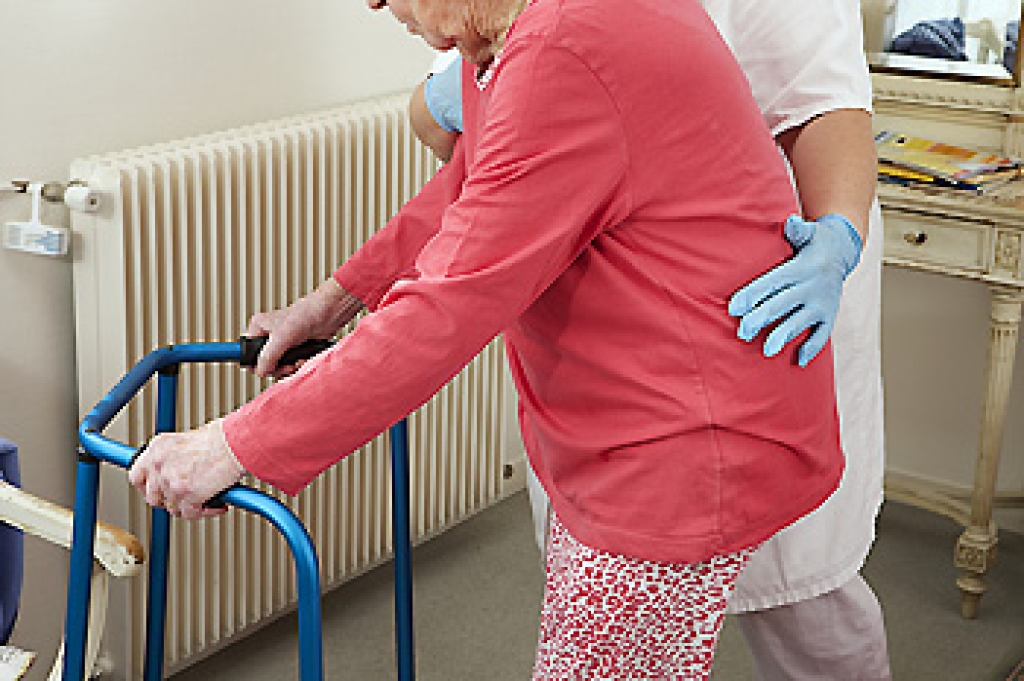
As people get older, the smaller muscles in the foot can weaken as part of age-related muscle loss. These muscles help the toes bend and grip the ground during walking. When they lose strength, the toes may not press down as well, which can affect balance and control with each step. This may make walking feel less steady and can increase the risk of trips or falls. The change is often gradual and may go unnoticed until movement becomes more difficult. Wearing supportive shoes, simple strengthening exercises, and balance training can help improve stability and confidence. Paying attention to early signs, such as toe weakness or changes in walking pattern, can make a difference, over time. If you feel less steady on your feet or notice reduced toe strength, it is suggested that you see a podiatrist for an evaluation and guidance.

If you need your feet checked, contact Amy DeGirolamo, DPM of Florida Foot and Ankle Associates. Our practitioner will attend to all of your foot and ankle needs and provide you with quality treatment.

Geriatrics and Podiatry
When people age, some common issues that may occur are bone density loss, dry skin, poor circulation, and rough brittle nails. These issues may also affect your foot health if the necessary steps are not taken to alleviate the problems.

It is important to take care of your feet because feet that are injured or diseased can affect your overall health. Having painful feet hinders your ability to do daily activities or may decrease your willingness to do the things that you need to do.

Visiting Your Geriatrician
As we age, health problems become more likely, so it is essential to visit your doctor for check-ups to ensure that you are doing the best you can to take care of your health. It is recommended to check your feet frequently for any possible cuts, bruises, swelling, corns or any other irregularities. 

Taking Care of Elderly Feet
Cracked or dry feet can be treated by applying moisturizer often. It is also important not to wear old socks because the older the sock is, the higher the possibility there will be that there is bacteria there. Wear fresh socks and make sure they fit properly.

Proper foot health means that you can have a more active lifestyle and you will not be bogged down by pain. Foot health also leads to good circulation, which is paramount for overall health.

If you have any questions, please feel free to contact our office located in Miami,FL . We offer the newest diagnostic and treatment technologies for all your foot care needs.
Read more about Geriatrics and Podiatry

Keep Your Feet Healthy So You Can Stay Active

Have your feet inspected by a professional before starting a new sport or physical activity. Taking charge of your foot health will keep you in good physical condition and can help you avoid a potential injury, such as a fracture or sprained ankle.

Prevent injuries and see a foot specialist.

Dealing With Swollen Feet

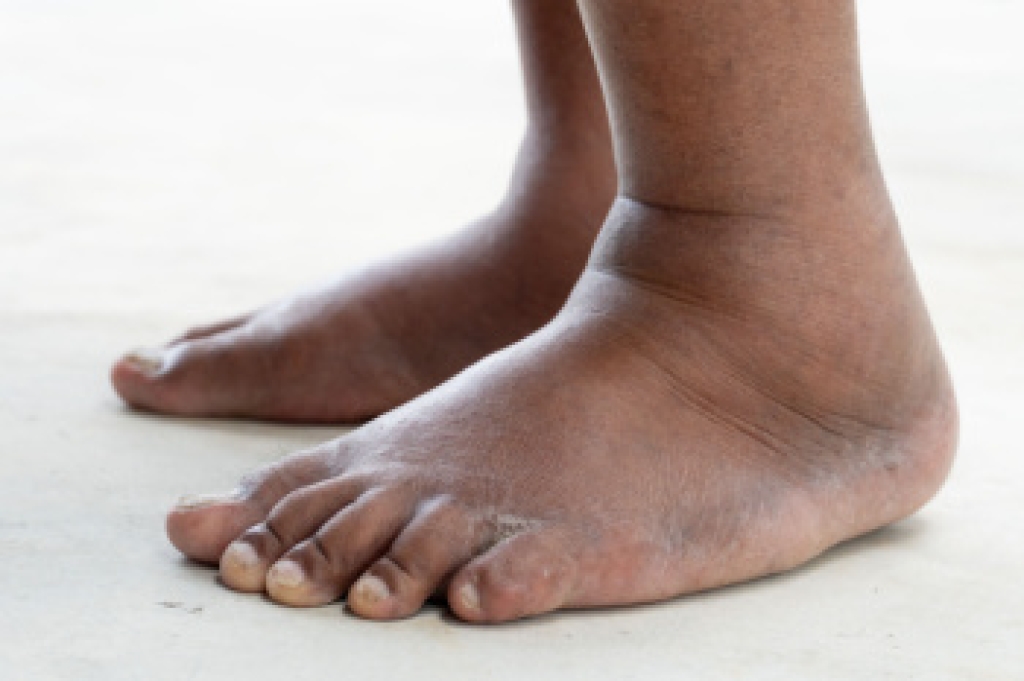
Swelling of the feet, also known as edema, occurs when fluid builds up in the tissues, causing the feet to appear puffy or enlarged. The skin may look stretched or shiny, and pressing on the area can sometimes leave an indentation. Patients often describe a heavy or tight feeling, and shoes may suddenly feel too snug. Swelling often develops after long periods of standing or sitting. However, it may also be linked to circulation issues, injury, pregnancy, or underlying medical conditions. A podiatrist can evaluate the pattern and severity of swelling through a physical exam and may coordinate care if a broader medical cause is suspected. Treatment focuses on improving circulation and reducing fluid buildup with supportive footwear, compression, and targeted exercises. Early attention can help prevent discomfort and complications. If you notice swelling of the feet, it is suggested that you make an appointment with a podiatrist.

Swollen feet can be a sign of an underlying condition. If you have any concerns, contact Amy DeGirolamo, DPM of Florida Foot and Ankle Associates. Our practitioner can provide the care you need to keep you pain-free and on your feet.

Swollen feet are a common ailment among pregnant women and people who stand or sit for extended periods. Aging may increase the possibility of swollen feet and patients who are obese often notice when their feet are swelling too. There may be medical reasons why swollen feet occur:

  • Phlebitis - A condition that causes the veins to become inflamed and can also cause leg pain.
  • Liver disease - This may lead to low blood levels of albumin which is a protein. This can cause fluid in the blood to pass into the tissues and several areas of the body can become swollen.
  • Heart failure - When the heart doesn’t pump properly the blood that is normally pumped back to the heart can pool in the veins of the legs causing swollen feet.
  • Kidney disease - One of the main functions of the kidneys is releasing excess fluid in the body. This type of condition can make it difficult for the kidneys to function properly, and as a result the feet may become swollen.
  • Deep-vein thrombosis (DVT)- This is a serious condition where blood clots form in the veins of the legs. They can block the return of blood from the legs to the heart which may cause the feet to swell. It is important to be treated by a podiatrist if this condition is present.

Swollen feet can also be caused by bone and tendon conditions, including fractures, arthritis, and tendinitis. Additionally, there may be skin and toenail conditions and an infection may cause the feet to swell. Patients who take medicine to treat high blood pressure may be prone to getting swollen feet. 

Many patients elevate their feet to help relieve the swelling and this is generally a temporary remedy. When a podiatrist is consulted the reason behind the swelling can be uncovered and subsequently treated.

If you have any questions please contact our office located in Miami,FL . We offer the newest diagnostic and treatment technologies for all your foot and ankle needs.

Read more about Swelling of the Feet

Why Orthotics Matter for Common Foot Conditions

Foot orthotics are designed to support proper alignment, relieve pressure, and improve overall foot function. They are often recommended for conditions like bunions and hammertoe, where abnormal structure can lead to pain and discomfort. Orthotics help redistribute weight across the foot, reducing strain on affected areas and slowing progression of deformities. There are different types available, including custom and prefabricated options, each suited to specific needs and activity levels. By improving balance and cushioning, orthotics can enhance comfort during daily activities. A podiatrist can evaluate your foot structure and recommend the most effective orthotic solution tailored to your condition. If you have foot pain or notice changes in toe alignment,it is suggested that you consult a podiatrist who can determine what type of orthotics are right for you. 

If you are having discomfort in your feet and would like to try orthotics, contact Amy DeGirolamo, DPM from Florida Foot and Ankle Associates. Our practitioner can provide the care you need to keep you pain-free and on your feet.

What Are Orthotics?

Orthotics are inserts you can place into your shoes to help with a variety of foot problems such as flat feet or foot pain. Orthotics provide relief and comfort for minor foot and heel pain but can’t correct serious biomechanical problems in your feet.

Over-the-Counter Inserts

Orthotics come in a wide variety of over-the-counter inserts that are used to treat foot pain, heel pain, and minor problems. For example, arch supports can be inserted into your shoes to help correct overarched or flat feet, while gel insoles are often used because they provide comfort and relief from foot and heel pain by alleviating pressure.

Prescription Orthotics

If over-the-counter inserts don’t work for you or if you have a more severe foot concern, it is possible to have your podiatrist prescribe custom orthotics. These high-quality inserts are designed to treat problems such as abnormal motion, plantar fasciitis, and severe forms of heel pain. They can even be used to help patients suffering from diabetes by treating foot ulcers and painful calluses and are usually molded to your feet individually, which allows them to provide full support and comfort.

If you are experiencing minor to severe foot or heel pain, it’s recommended to speak with your podiatrist about the possibilities of using orthotics. A podiatrist can determine which type of orthotic is right for you and allow you to take the first steps towards being pain-free.

If you have any questions, please feel free to contact our office located in Miami,FL . We offer the newest diagnostic and treatment technologies for all your foot care needs.

Read more about Foot Orthotics
Advanced Podiatric Procedures & Services in the Miami-Dade County, FL: Miami, Coral Gables, Coconut Grove, Little Havana, South Miami, Homestead, Miami Shores, North Miami, North Miami Beach, Aventura, Doral, Kendall, Pinecrest, Cutler Bay, Broward County, FL: Fort Lauderdale, Hollywood, Pembroke Pines, Miramar, Weston, Davie, Plantation, Lauderdale Lakes, Monroe County, FL: Key Largo, Islamorada, Marathon, Key West areas