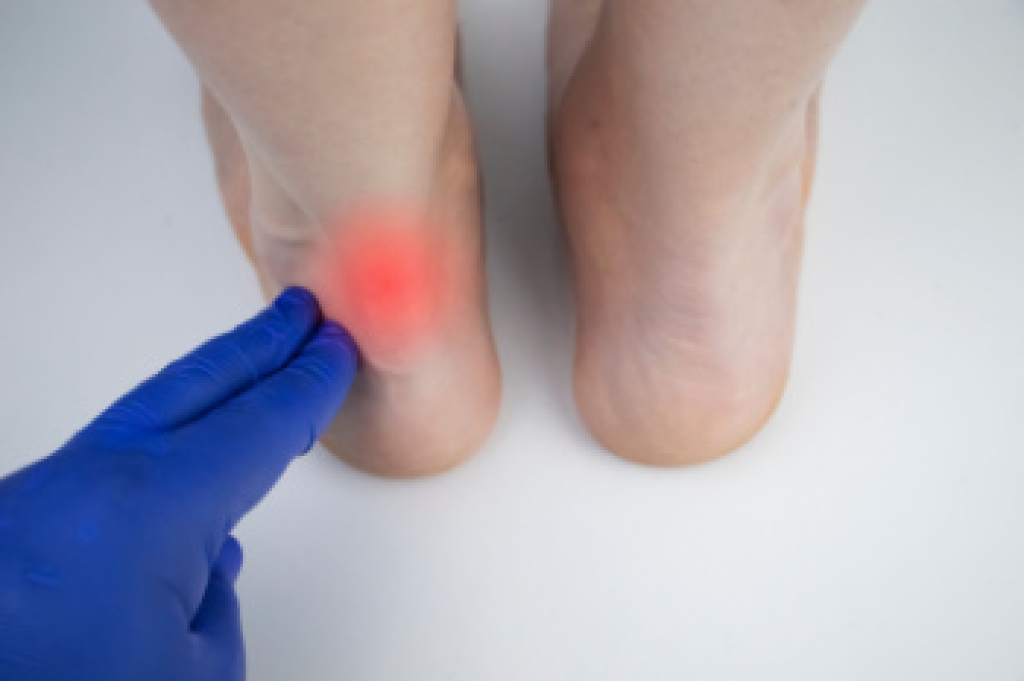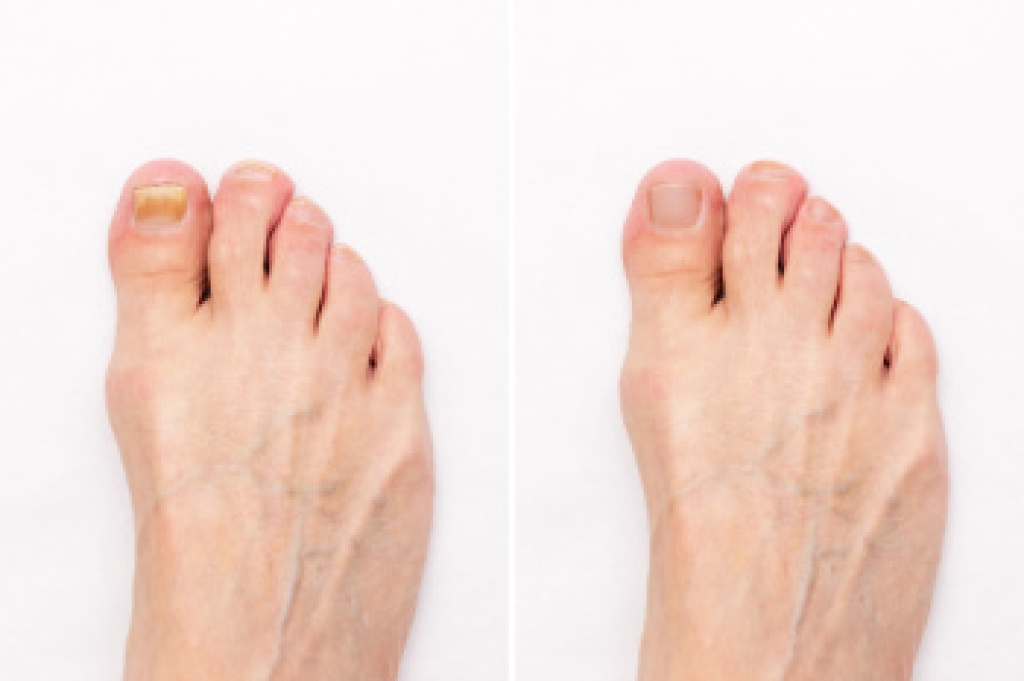
Lumps on the toes can develop for several reasons and may vary in size, texture, and level of discomfort. Some lumps grow slowly over time while others appear suddenly after irritation or injury. A common cause is a bunion or bunionette, which forms when the toes shift and creates a bony bump. Ganglion cysts may also appear near the joints or tendons and feel like soft, fluid-filled swellings under the skin. Corns and callouses can sometimes look like small lumps because the skin thickens in response to pressure from shoes. In some cases, a lump may develop from arthritis in the toe joint, which can create bony enlargements that feel firm and tender. Other possibilities include gout deposits, small benign growths, or inflammation of the surrounding tissues. A podiatrist can examine the toe and may use imaging to determine the exact cause of the lump. Treatment depends on the diagnosis and may include footwear changes, padding, medication, or other corrective care. If you notice a lump on your toe, it is suggested that you make an appointment with a podiatrist.
Toe pain can disrupt your daily activities. If you have any concerns, contact Amy DeGirolamo, DPM of Florida Foot and Ankle Associates. Our practitioner can provide the care you need to keep you pain-free and on your feet.
What Causes Toe Pain?
Most severe toe pain is caused due to a sports injury, trauma from dropping something heavy on the toe, or bumping into something rigid. Other problems can develop over time for various reasons.
Toe pain can be caused by one or more ailments. The most common include:
- Trauma
- Sports injury
- Wearing shoes that are too tight
- Arthritis
- Gout
- Corns and calluses
- Hammertoe
- Bunions
- Blisters
- Ingrown toenails
- Sprains
- Fractures (broken bones)
- Dislocations
When to See a Podiatrist
- Severe pain
- Persistent pain that lasts more than a week
- Signs of infection
- Continued swelling
- Pain that prevents walking
Diagnosis
In many cases the cause of toe pain is obvious, but in others, a podiatrist may want to use more advanced methods to determine the problem. These can range from simple visual inspections and sensation tests to X-rays and MRI scans. Prior medical history, family medical history, and any recent physical traumatic events will all be taken into consideration for a proper diagnosis.
Treatment
Treatments for toe pain and injuries vary and may include shoe inserts, padding, taping, medicines, injections, and in some cases, surgery. If you believe that you have broken a toe, please see a podiatrist as soon as possible.
If you have any questions please contact our office located in Miami,FL . We offer the newest diagnostic and treatment technologies for all your foot and ankle needs.