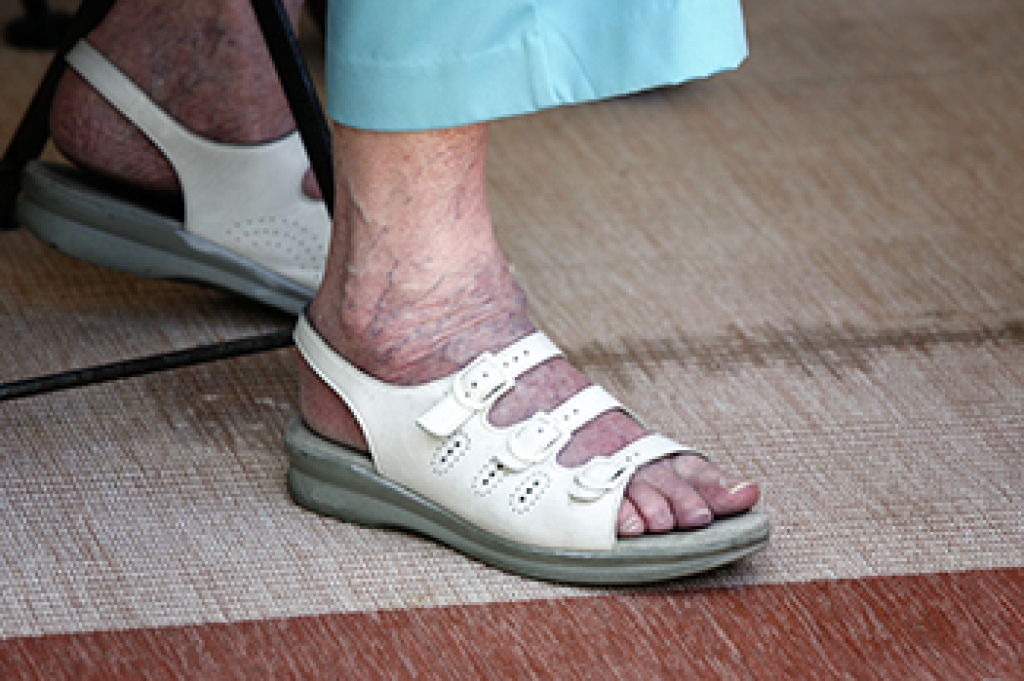
Footwear Plays a Role in Preventing Falls

Preventing falls is an important part of protecting mobility and independence for older adults, and foot health plays a direct role in balance and stability. Painful feet, stiff ankles, weak calf muscles, reduced sensation from nerve damage, and deformities like bunions or curled toes can make walking less steady. Wearing safe footwear can help lower this risk by keeping the feet secure and improving contact with the ground. Shoes with a firm heel collar, a broad and slightly beveled heel, textured soles, and laces or straps can improve control during walking. Thin, firm midsoles may also help people better sense the surface beneath their feet. Shoes that are loose, worn down, backless, or higher than one inch at the heel can increase the chance of slipping. A podiatrist can examine the feet, identify problems affecting balance, and recommend appropriate care or footwear options. If you are concerned about falling, it is suggested that you make an appointment with a podiatrist for an exam and treatment.

Preventing falls among the elderly is very important. If you are older and have fallen or fear that you are prone to falling, consult with Amy DeGirolamo, DPM from Florida Foot and Ankle Associates. Our practitioner will assess your condition and provide you with quality advice and care.

Every 11 seconds, an elderly American is being treated in an emergency room for a fall related injury. Falls are the leading cause of head and hip injuries for those 65 and older. Due to decreases in strength, balance, senses, and lack of awareness, elderly persons are very susceptible to falling. Thankfully, there are a number of things older persons can do to prevent falls.

How to Prevent Falls

Some effective methods that older persons can do to prevent falls include:

  • Enrolling in strength and balance exercise program to increase balance and strength
  • Periodically having your sight and hearing checked
  • Discuss any medications you have with a doctor to see if it increases the risk of falling
  • Clearing the house of falling hazards and installing devices like grab bars and railings
  • Utilizing a walker or cane
  • Wearing shoes that provide good support and cushioning
  • Talking to family members about falling and increasing awareness

Falling can be a traumatic and embarrassing experience for elderly persons; this can make them less willing to leave the house, and less willing to talk to someone about their fears of falling. Doing such things, however, will increase the likelihood of tripping or losing one’s balance. Knowing the causes of falling and how to prevent them is the best way to mitigate the risk of serious injury.  

If you have any questions, please feel free to contact our office located in Miami,FL . We offer the newest diagnostic and treatment technologies for all your foot care needs.
Read more about Falls Prevention

Understanding the Structure of the Foot

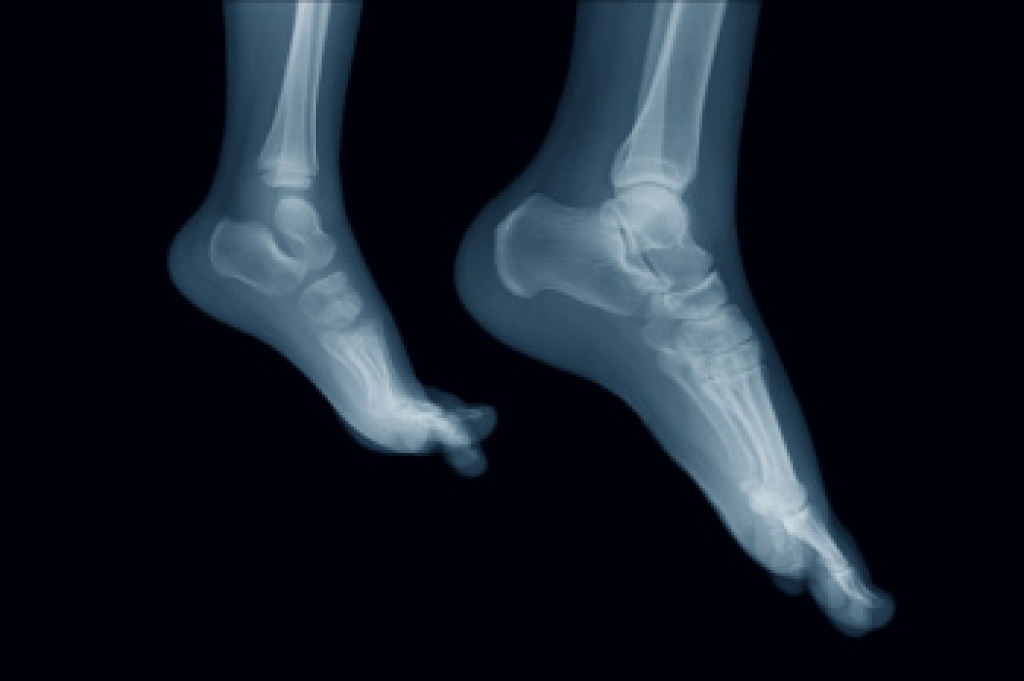
The foot is a complex structure made up of bones, joints, muscles, tendons, and ligaments that work together to support the body. This intricate design allows the foot to be strong enough for weight-bearing while remaining flexible for walking, running, and balance. The joints of the foot provide movement and shock absorption, while tendons and ligaments stabilize the foot and guide motion. Muscles help control posture and adapt to different surfaces during daily activities. Maintaining a balance between strength and flexibility is essential for proper foot function and injury prevention. When this balance is disrupted, pain, fatigue and instability may occur. A podiatrist can help by evaluating foot structure alignment and movement patterns. Care may include treatment for pain, injuries, or deformities, as well as recommendations for supportive footwear or custom orthotics. If you have foot pain, it is suggested that you consult a podiatrist who can accurately diagnose and treat various foot and ankle conditions.

If you have any concerns about your feet, contact Amy DeGirolamo, DPM from Florida Foot and Ankle Associates. Our practitioner can provide the care you need to keep you pain-free and on your feet.

Biomechanics in Podiatry

Podiatric biomechanics is a particular sector of specialty podiatry with licensed practitioners who are trained to diagnose and treat conditions affecting the foot, ankle and lower leg. Biomechanics deals with the forces that act against the body, causing an interference with the biological structures. It focuses on the movement of the ankle, the foot and the forces that interact with them.

A History of Biomechanics

  • Biomechanics dates back to the BC era in Egypt where evidence of professional foot care has been recorded.
  • In 1974, biomechanics gained a higher profile from the studies of Merton Root, who claimed that by changing or controlling the forces between the ankle and the foot, corrections or conditions could be implemented to gain strength and coordination in the area.

Modern technological improvements are based on past theories and therapeutic processes that provide a better understanding of podiatric concepts for biomechanics. Computers can provide accurate information about the forces and patterns of the feet and lower legs.

Understanding biomechanics of the feet can help improve and eliminate pain, stopping further stress to the foot.

If you have any questions please feel free to contact our office located in Miami,FL . We offer the newest diagnostic and treatment technologies for all your foot and ankle needs.

Read more about Biomechanics in Podiatry

Swollen Feet and Foot Health

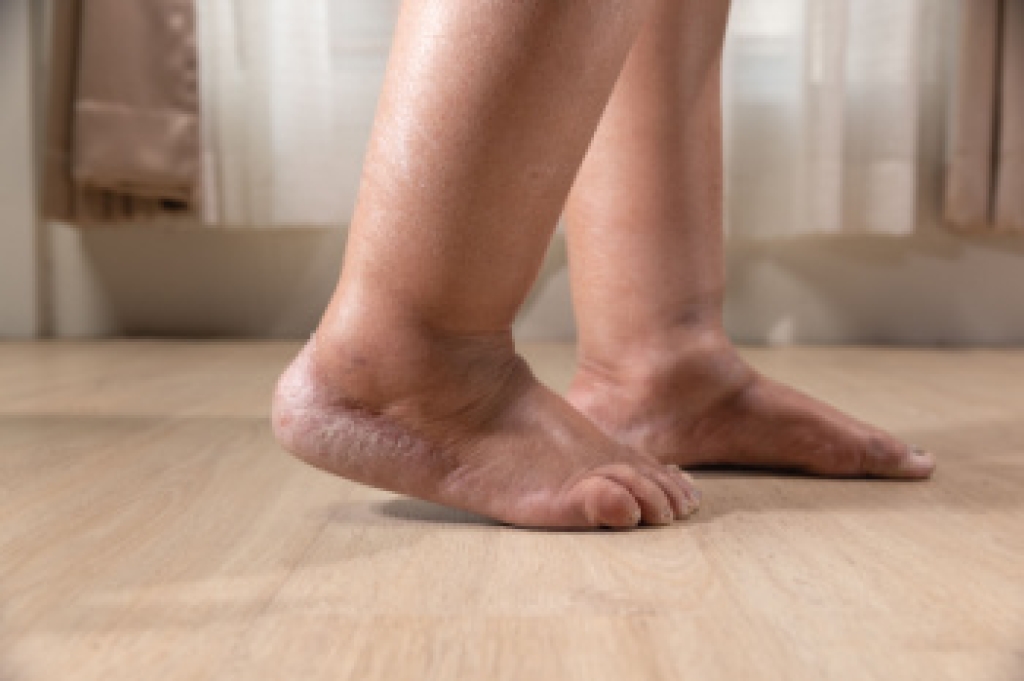
Swollen feet, or edema, occur when excess fluid collects in the tissues of the feet and ankles, leading to puffiness, discomfort, and difficulty walking. While swelling can be linked to heart failure, where the heart cannot pump blood effectively, other causes include kidney or liver problems, poor circulation, prolonged standing or sitting, pregnancy, and certain medications. Recognizing the underlying cause is essential for preventing complications and maintaining mobility. A podiatrist can evaluate swelling, assess foot and ankle health, and provide treatments such as compression therapy, supportive footwear recommendations, and guidance on lifestyle changes to reduce fluid retention. If your feet are swollen, it is suggested that you consult a podiatrist who can determine what the cause is, and offer effective relief and management solutions.

Swollen feet can be a sign of an underlying condition. If you have any concerns, contact Amy DeGirolamo, DPM of Florida Foot and Ankle Associates. Our practitioner can provide the care you need to keep you pain-free and on your feet.

Swollen feet are a common ailment among pregnant women and people who stand or sit for extended periods. Aging may increase the possibility of swollen feet and patients who are obese often notice when their feet are swelling too. There may be medical reasons why swollen feet occur:

  • Phlebitis - A condition that causes the veins to become inflamed and can also cause leg pain.
  • Liver disease - This may lead to low blood levels of albumin which is a protein. This can cause fluid in the blood to pass into the tissues and several areas of the body can become swollen.
  • Heart failure - When the heart doesn’t pump properly the blood that is normally pumped back to the heart can pool in the veins of the legs causing swollen feet.
  • Kidney disease - One of the main functions of the kidneys is releasing excess fluid in the body. This type of condition can make it difficult for the kidneys to function properly, and as a result the feet may become swollen.
  • Deep-vein thrombosis (DVT)- This is a serious condition where blood clots form in the veins of the legs. They can block the return of blood from the legs to the heart which may cause the feet to swell. It is important to be treated by a podiatrist if this condition is present.

Swollen feet can also be caused by bone and tendon conditions, including fractures, arthritis, and tendinitis. Additionally, there may be skin and toenail conditions and an infection may cause the feet to swell. Patients who take medicine to treat high blood pressure may be prone to getting swollen feet. 

Many patients elevate their feet to help relieve the swelling and this is generally a temporary remedy. When a podiatrist is consulted the reason behind the swelling can be uncovered and subsequently treated.

If you have any questions please contact our office located in Miami,FL . We offer the newest diagnostic and treatment technologies for all your foot and ankle needs.

Read more about Swelling of the Feet

Foot Corns and How to Relieve Discomfort

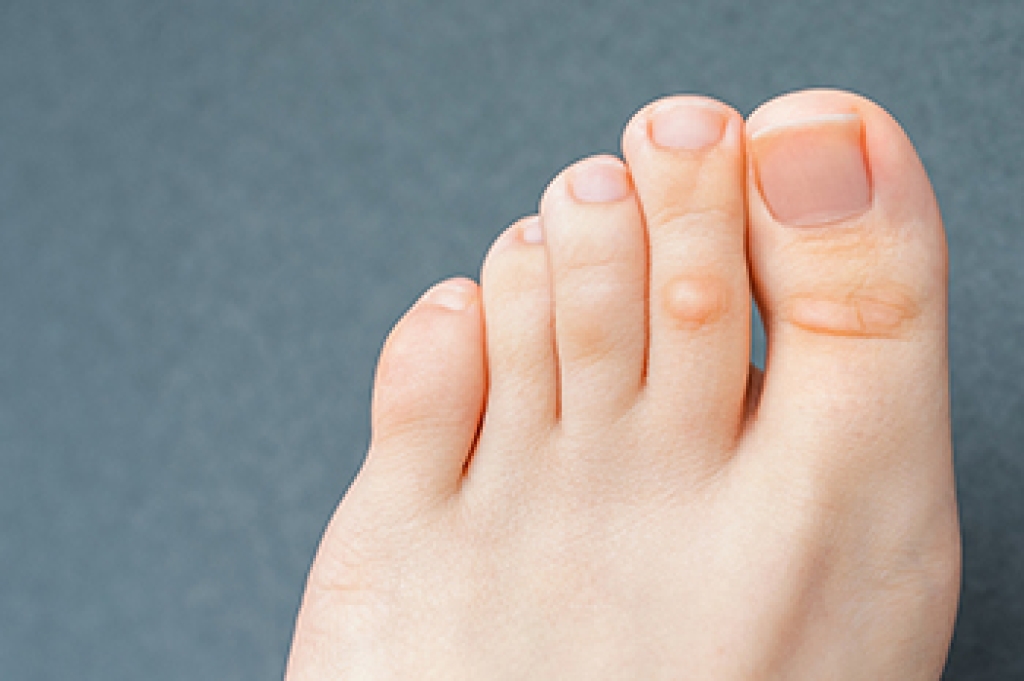
Foot corns are small, thickened areas of hardened skin that develop due to repeated pressure or friction, often on the tops, sides, or soles of the feet. They commonly form from wearing tight shoes, abnormal foot mechanics, or frequent walking or standing. Symptoms include raised, rough bumps that can be tender or extremely painful, especially when pressure is applied. Corns can interfere with walking and daily activities, if left untreated. A podiatrist can safely remove corns, address the underlying cause, and recommend strategies to prevent recurrence. Treatment may include padding, custom orthotics, footwear adjustments, and guidance on proper foot care. Corns can cause extreme pain. If you have developed a foot corn, it is suggested that you consult a podiatrist who can offer effective relief and treatment solutions.

If you have any concerns regarding your feet and ankles, contact Amy DeGirolamo, DPM of Florida Foot and Ankle Associates. Our practitioner will treat your foot and ankle needs.

Corns: What Are They? and How Do You Get Rid of Them?
Corns can be described as areas of the skin that have thickened to the point of becoming painful or irritating. They are often layers and layers of the skin that have become dry and rough, and are normally smaller than calluses.

Ways to Prevent Corns
There are many ways to get rid of painful corns such as wearing:

  • Well-fitting socks
  • Comfortable shoes that are not tight around your foot
  • Shoes that offer support

Treating Corns
Treatment of corns involves removing the dead skin that has built up in the specific area of the foot. Consult with Our practitioner to determine the best treatment option for your case of corns.

If you have any questions, please feel free to contact our office located in Miami,FL . We offer the newest diagnostic and treatment technologies for all your foot care needs.
Read more about Corns: What Are They, and How Do You Get Rid of Them
scroll to top