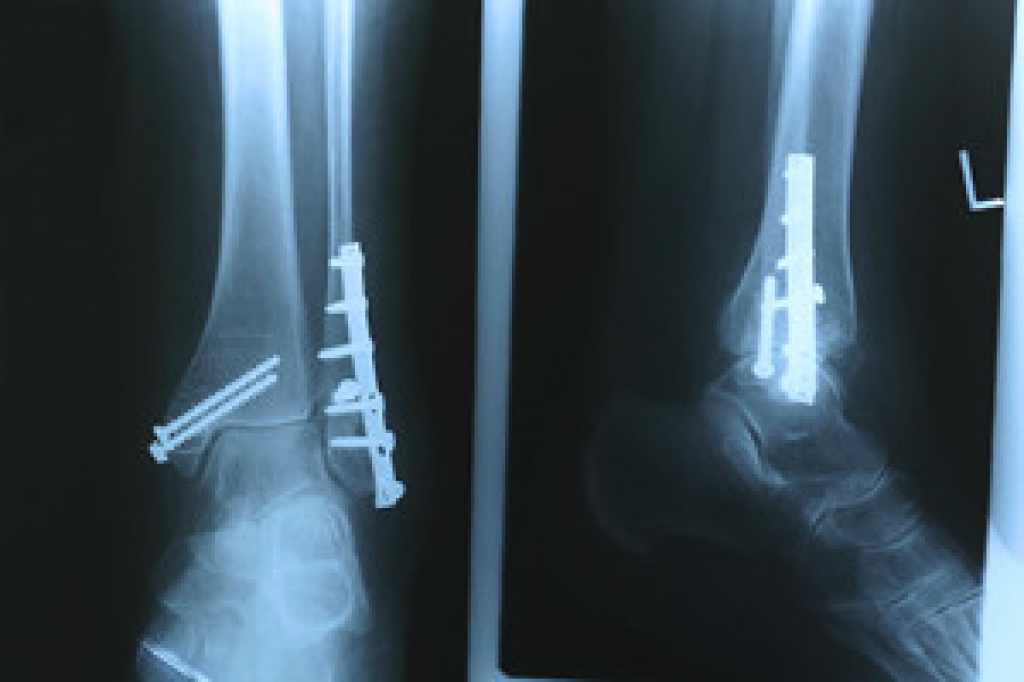
Broken Ankle Symptoms and Treatment Options

A broken ankle occurs when one or more bones surrounding the ankle joint crack or break. This injury follows a fall, sudden twist, or impact. The ankle connects the foot to the lower leg and supports body weight while standing. A fracture sometimes happens alongside damage to the ligaments that hold the joint together. Symptoms include pain, swelling, and bruising. Some patients notice a crooked appearance or difficulty placing weight on the injured ankle. Pain may occur along either side of the joint. Walking after an injury does not rule out a broken bone. Because ankle fractures differ in severity, a diagnosis helps determine the safest treatment.

A podiatrist begins by asking how the injury happened and examining the ankle. The examination includes checking tenderness, alignment, and circulation. X-rays help reveal which bones are broken and whether they remain in position. Treatment depends on the fracture and the stability of the joint. For a stable break, a cast or walking boot protects the ankle while healing occurs. Some patients need crutches to avoid placing weight on the injured foot. A fracture with displaced bones requires prompt assessment and treatment planning. The podiatrist checks the skin and feeling in the toes. An open wound, severe deformity, or a cold foot requires emergency attention. Follow-up visits track healing and help determine when movement and weight-bearing activities are appropriate.

A broken ankle interrupts work, travel, and ordinary routines. Patients may find standing difficult and need support while the bone heals. A podiatrist develops a treatment plan based on the fracture and the patient's daily needs. Follow-up examinations monitor pain, swelling, and bone position. Once the injury is stable enough, supervised rehabilitation helps restore ankle movement and strength. The podiatrist also watches for lasting stiffness or changes in walking patterns. Healing varies with the location and severity of the break. Returning to activities too quickly may interfere with recovery. Care focuses on protecting the injured bones and restoring safe, comfortable movement. If you have broken your ankle, it is suggested that you schedule an appointment with a podiatrist for effective relief and treatment solutions.

Broken ankles need immediate treatment. If you are seeking treatment, contact Amy DeGirolamo, DPM from Florida Foot and Ankle Associates. Our practitioner can provide the care you need to keep you pain-free and on your feet. 

Broken Ankles
A broken ankle is experienced when a person fractures their tibia or fibula in the lower leg and ankle area. Both of these bones are attached at the bottom of the leg and combine to form what we know to be our ankle.

When a physician is referring to a break of the ankle, he or she is usually referring to a break in the area where the tibia and fibula are joined to create our ankle joint. Ankles are more prone to fractures because the ankle is an area that suffers a lot of pressure and stress. There are some obvious signs when a person experiences a fractured ankle, and the following symptoms may be present.

Symptoms of a Fractured Ankle

  • Excessive pain when the area is touched or when any pressure is placed on the ankle
  • Swelling around the area
  • Bruising of the area
  • Area appears to be deformed

If you suspect an ankle fracture, it is recommended to seek treatment as soon as possible. The sooner you have your podiatrist diagnose the fracture, the quicker you’ll be on the way towards recovery.

If you have any questions, please feel free to contact our office located in Miami,FL . We offer the newest diagnostic and treatment technologies for all your foot care needs.

Read more about Broken Ankle Causes, Differences, Symptoms and Treatments

Podiatric Care for Painful Bunions

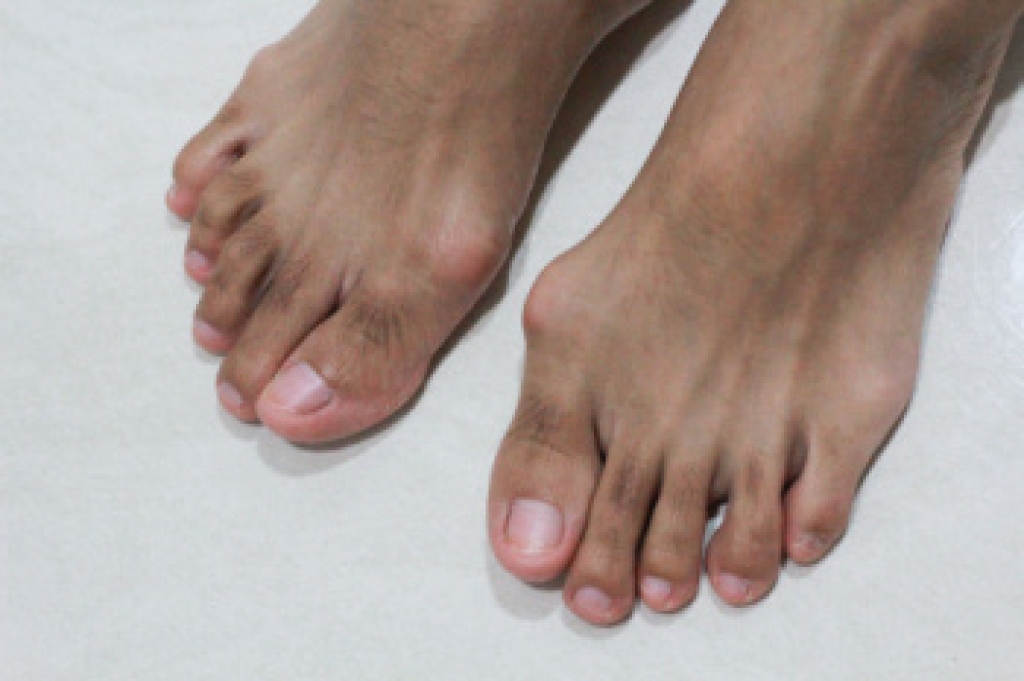
Bunions develop when the joint at the base of the big toe gradually changes position. The big toe leans toward the smaller toes, creating a noticeable bump along the inside of the foot. This change may cause pain, redness, and swelling around the joint. Some people notice stiffness when bending the big toe. Others feel pressure while wearing shoes, especially those with narrow toe areas. Family history and foot structure influence the development of bunions. Arthritis may also affect the joint and increase discomfort. A bunion sometimes makes walking difficult because the big toe helps support the body with each step. The bump itself is not simply extra bone. It reflects a change in the position of the joint beneath the skin.

A podiatrist examines the foot to determine how the bunion affects movement and comfort. The examination includes checking toe alignment, joint flexibility, and areas of tenderness. X-rays may show the position of the bones and the extent of the change. Treatment focuses on reducing pressure and improving daily comfort. A podiatrist may recommend shoes with enough room around the toes. Custom orthotics may help distribute pressure more evenly across the foot. Protective padding may reduce rubbing against the bunion. The podiatrist also evaluates nearby toes for changes caused by crowding. Treatment choices depend on symptoms rather than the size of the bump alone. Regular evaluations help track changes in joint position and walking comfort.

Bunion discomfort sometimes leads patients to shift their weight while standing or walking. These changes may place additional strain on other parts of the foot. A podiatrist studies the patient's walking pattern and recommends support suited to their needs. Follow-up appointments assess pain, skin irritation, and joint movement. Although noninvasive treatment does not straighten the underlying bones, it may relieve symptoms and support comfortable activity. Increasing pain or difficulty finding comfortable shoes deserves another thorough examination. Early attention helps patients understand their options and address problems before daily activities become harder. If you have developed a bunion, it is suggested that you schedule an appointment with a podiatrist for effective relief and management solutions. 

If you are suffering from bunions, contact Amy DeGirolamo, DPM of Florida Foot and Ankle Associates. Our practitioner can provide the care you need to keep you pain-free and on your feet.

What Is a Bunion?

A bunion is formed of swollen tissue or an enlargement of boney growth, usually located at the base joint of the toe that connects to the foot. The swelling occurs due to the bones in the big toe shifting inward, which impacts the other toes of the foot. This causes the area around the base of the big toe to become inflamed and painful.

Why Do Bunions Form?

Genetics – Susceptibility to bunions are often hereditary

Stress on the feet – Poorly fitted and uncomfortable footwear that places stress on feet, such as heels, can worsen existing bunions

How Are Bunions Diagnosed?

Podiatrists often perform two tests – blood tests and x-rays – when trying to diagnose bunions, especially in the early stages of development. Blood tests help determine if the foot pain is being caused by something else, such as arthritis, while x-rays provide a clear picture of your bone structure to your provider.

How Are Bunions Treated?

  • Refrain from wearing heels or similar shoes that cause discomfort
  • Select wider shoes that can provide more comfort and reduce pain
  • Anti-inflammatory and pain management drugs
  • Orthotics or foot inserts
  • Surgery

If you have any questions, please feel free to contact our office located in Miami,FL . We offer the newest diagnostic and treatment technologies for all your foot care needs.
Read more about What Are Bunions?

Understanding Broken Foot Injuries

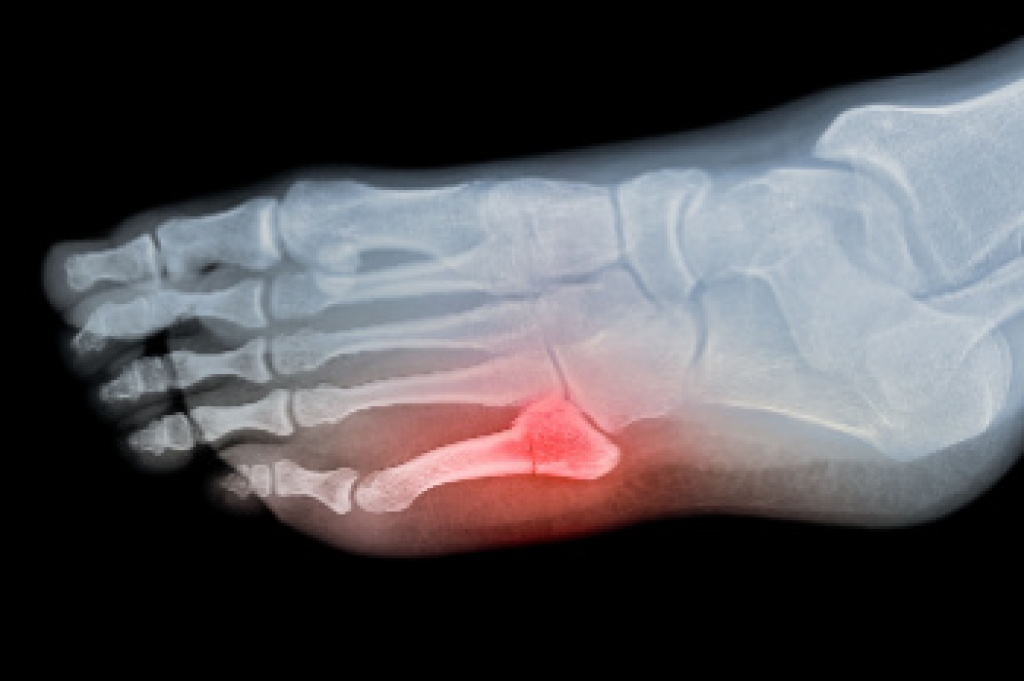
A broken foot occurs when one or more of the bones in the foot crack or break. The foot contains 26 bones that work together to support body weight, maintain balance, and allow movement. Foot fractures may result from sudden injuries, such as falls or direct impacts. They may also develop from repeated stress placed on the bones during physical activity. These smaller injuries, known as stress fractures, often develop gradually rather than from a single accident. The severity of a broken foot depends on the location of the fracture and whether the bone remains properly aligned. Some fractures involve minor cracks, while others cause more serious damage that affects normal foot function.


Symptoms of a broken foot often include pain, swelling, and bruising around the injured area. The discomfort may become more noticeable when standing or walking. Some individuals experience tenderness when pressure is placed on the affected bone. More severe fractures may cause visible changes in foot shape or significant difficulty bearing weight. However, certain fractures still allow limited walking, making the injury difficult to recognize without an examination. Stress fractures may begin with mild discomfort that gradually worsens during physical activity. Without appropriate treatment, a broken foot may heal improperly or lead to ongoing pain. Identifying the injury early is important for protecting the affected bones and supporting proper recovery.


A podiatrist evaluates suspected foot fractures by examining the injured area and identifying signs of bone damage. X-rays are commonly used to locate fractures and determine their severity. Treatment depends on the type of fracture and the position of the affected bones. Some injuries require immobilization with a cast or walking boot, while more complex fractures may require surgery. Follow-up evaluations help monitor bone healing and guide recovery. If you are experiencing persistent foot pain or swelling after an injury, it is suggested that you consult a podiatrist for an evaluation and appropriate treatment options.

A broken foot requires immediate medical attention and treatment. If you need your feet checked, contact Amy DeGirolamo, DPM from Florida Foot and Ankle Associates. Our practitioner can provide the care you need to keep you pain-free and on your feet.

Broken Foot Causes, Symptoms, and Treatment

A broken foot is caused by one of the bones in the foot typically breaking when bended, crushed, or stretched beyond its natural capabilities. Usually the location of the fracture indicates how the break occurred, whether it was through an object, fall, or any other type of injury. 

Common Symptoms of Broken Feet:

  • Bruising
  • Pain
  • Redness
  • Swelling
  • Blue in color
  • Numbness
  • Cold
  • Misshapen
  • Cuts
  • Deformities

Those that suspect they have a broken foot shoot seek urgent medical attention where a medical professional could diagnose the severity.

Treatment for broken bones varies depending on the cause, severity and location. Some will require the use of splints, casts or crutches while others could even involve surgery to repair the broken bones. Personal care includes the use of ice and keeping the foot stabilized and elevated.

If you have any questions, please feel free to contact our office located in Miami,FL . We offer the newest diagnostic and treatment technologies for all your foot care needs.

Read more about Causes, Symptoms, and Treatment for a Broken Foot
Advanced Podiatric Procedures & Services in the Miami-Dade County, FL: Miami, Coral Gables, Coconut Grove, Little Havana, South Miami, Homestead, Miami Shores, North Miami, North Miami Beach, Aventura, Doral, Kendall, Pinecrest, Cutler Bay, Broward County, FL: Fort Lauderdale, Hollywood, Pembroke Pines, Miramar, Weston, Davie, Plantation, Lauderdale Lakes, Monroe County, FL: Key Largo, Islamorada, Marathon, Key West areas
Request Appointment